
Why go
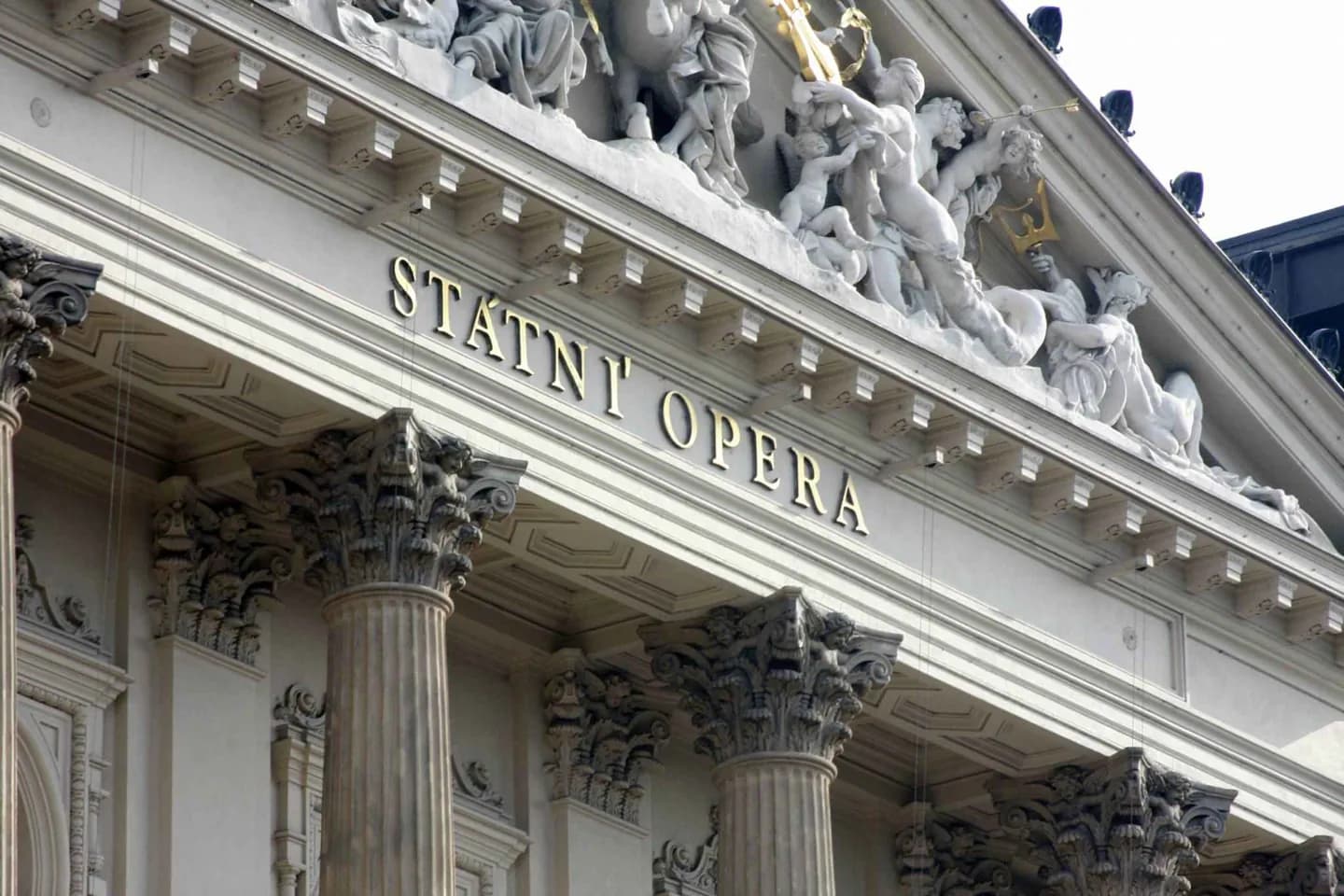
The State Opera adds a different theatrical setting to Prague's cultural map. Its neo-Rococo auditorium and origins as the New German Theatre speak to the city's once multilingual stage life. A performance gives the building its full purpose rather than reducing it to a façade stop.
What to look for
- The historic auditorium has elaborate neo-Rococo decoration.
- The theatre opened in 1888 as the New German Theatre.
- Its exterior stands close to the main station and Wenceslas Square.
The full story
The State Opera opened in 1888 as the New German Theatre, built for Prague's German-speaking stage community at a time when the city's cultural life crossed languages. Its lavish auditorium reflected the importance of opera to that community. The building's names and management changed through the twentieth century, including a period as the Smetana Theatre. It is now operated by the National Theatre. Those changes give the theatre a history distinct from the better-known National Theatre building by the river. The ornate interior remains the clearest link to its nineteenth-century beginnings, and hearing a performance there connects the architecture to its intended use. From the street, the building is a useful marker of Prague's theatrical geography, but the auditorium is the reason to plan an event.
Useful to know
- Check the National Theatre's current programme if you want to see the auditorium during a performance.
- Treat an exterior look as a brief stop if you have no event planned.
Your next visit
Estimated · Declared scenario and planning estimates; no live opening, weather, queue or booking service.
Indoor visit · 30–45 min
World planning estimate; admission, opening, visit duration and access need checking.