
Why go
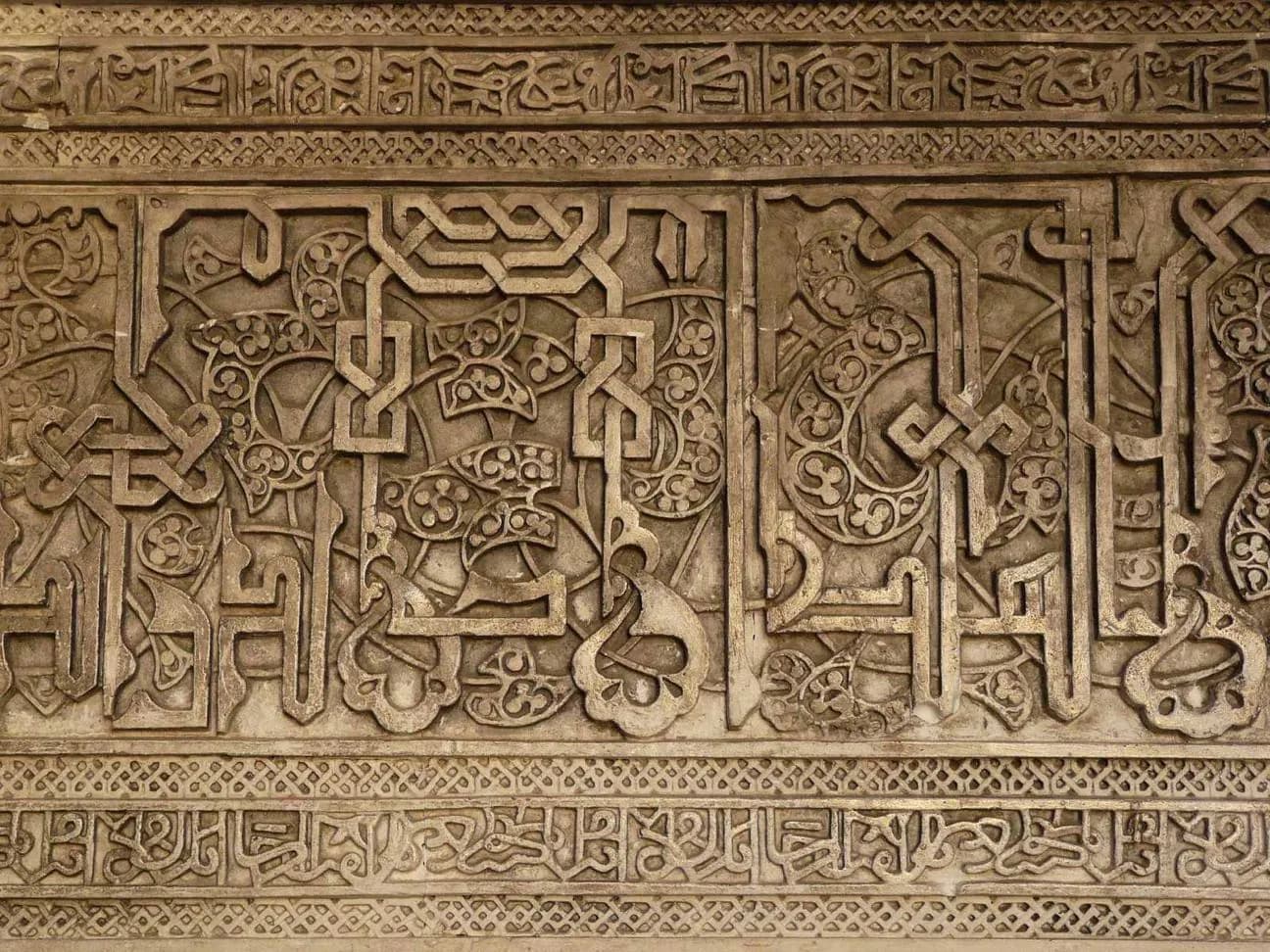
Roman mosaics collected by the Lebrija family cover much of the ground floor. Tilework, carved ceilings and a Renaissance courtyard layer archaeology with a lived-in palace. At Palace of the Countess of Lebrija, compare both closely. Palace of the Countess of Lebrija rewards a slower circuit.
What to look for
- Roman mosaics collected by the Lebrija family cover much of the ground floor.
- Tilework, carved ceilings and a Renaissance courtyard layer archaeology with a lived-in palace.
The full story
The Palace of the Countess of Lebrija or Palacio de la Condesa de Lebrija, or just the Palace of Lebrija, is a historical edifice in central Seville, southern Spain, now housing a museum. Originally a mansion built in the 16th century, extensive renovations in the early twentieth century by the Countess of Lebrija incorporated original mosaic floors that had recently been found in Santiponce, in the former classical Roman town of Italica. This represents one of the largest collection of such pavements. The palace has eclectic decorations, including neo-mudejar touches, portions of convents and older palaces, and traditional Sevillian azulejo tiles. It also contains both local furniture and decorations, and items, sculpture and pottery, rescued from the ruins at Italica. Seville - eTips.
Useful to know
- Check the official visitor calendar and reserve ahead when timed entry matters.
- Combine it with nearby stops to avoid crossing the city twice in the strongest afternoon heat.
Your next visit
Estimated · Declared scenario and planning estimates; no live opening, weather, queue or booking service.
Outdoor visit · 30–45 min
World planning estimate; admission, opening, visit duration and access need checking.