
Why go
Niguliste makes Tallinn’s medieval religious art tangible. The Dance of Death, Hermen Rode’s altarpiece and the Silver Chamber each reward close attention, while the restored church setting shows how the works belonged to the city’s civic and spiritual life for centuries.
What to look for
- Bernt Notke’s Dance of Death is a central work in the museum.
- Hermen Rode’s high altarpiece and the Silver Chamber add different views of medieval craftsmanship.
The full story
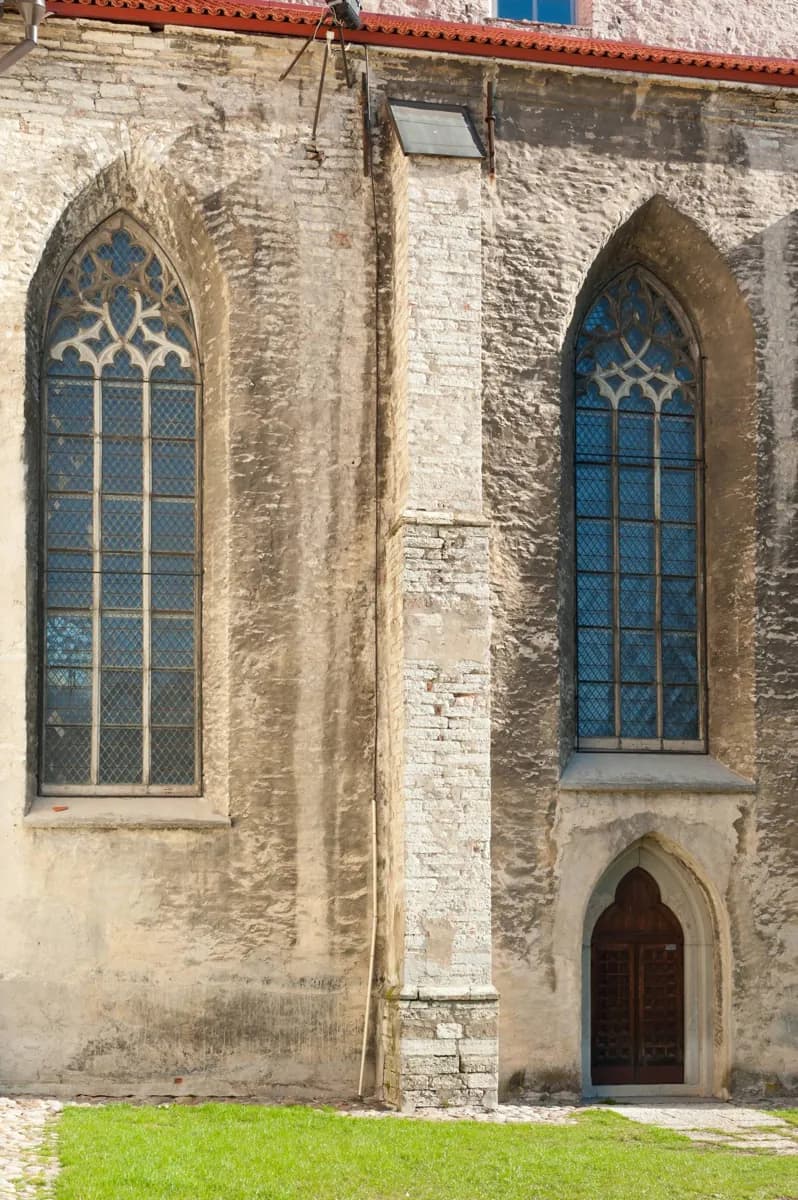
St. Nicholas’ began as a medieval church associated with Tallinn’s trading community. It grew and changed over the following centuries, becoming a large Gothic landmark in the Lower Town. The building was damaged during the Second World War and later restored for use as a museum and concert space. That history matters when looking at its collection: the art is shown in a former sacred interior, yet the visit now follows a museum’s rhythm. Bernt Notke’s Dance of Death confronts mortality directly; Hermen Rode’s altarpiece shows the detail and storytelling of late medieval church art. The Silver Chamber shifts attention toward guilds and other civic patrons. Together they show that the building’s importance lies in both its architecture and the objects Tallinn’s communities placed within it.
Useful to know
- Plan an indoor museum visit rather than expecting an active parish church.
- Use the museum’s lift information if stairs are a concern; one upper chapel level remains inaccessible.
Your next visit
Estimated · Declared scenario and planning estimates; no live opening, weather, queue or booking service.
Indoor visit · 30–45 min
World planning estimate; admission, opening, visit duration and access need checking.