
Why go
The route connects ancient objects and Renaissance rooms with a chapel that still serves the papal election. It suits visitors who want to follow how successive popes collected and commissioned art, rather than see one isolated masterpiece. The range is the reward, but the size makes a quick pass unsatisfying.
What to look for
- Raphael’s frescoed rooms were part of a papal apartment.
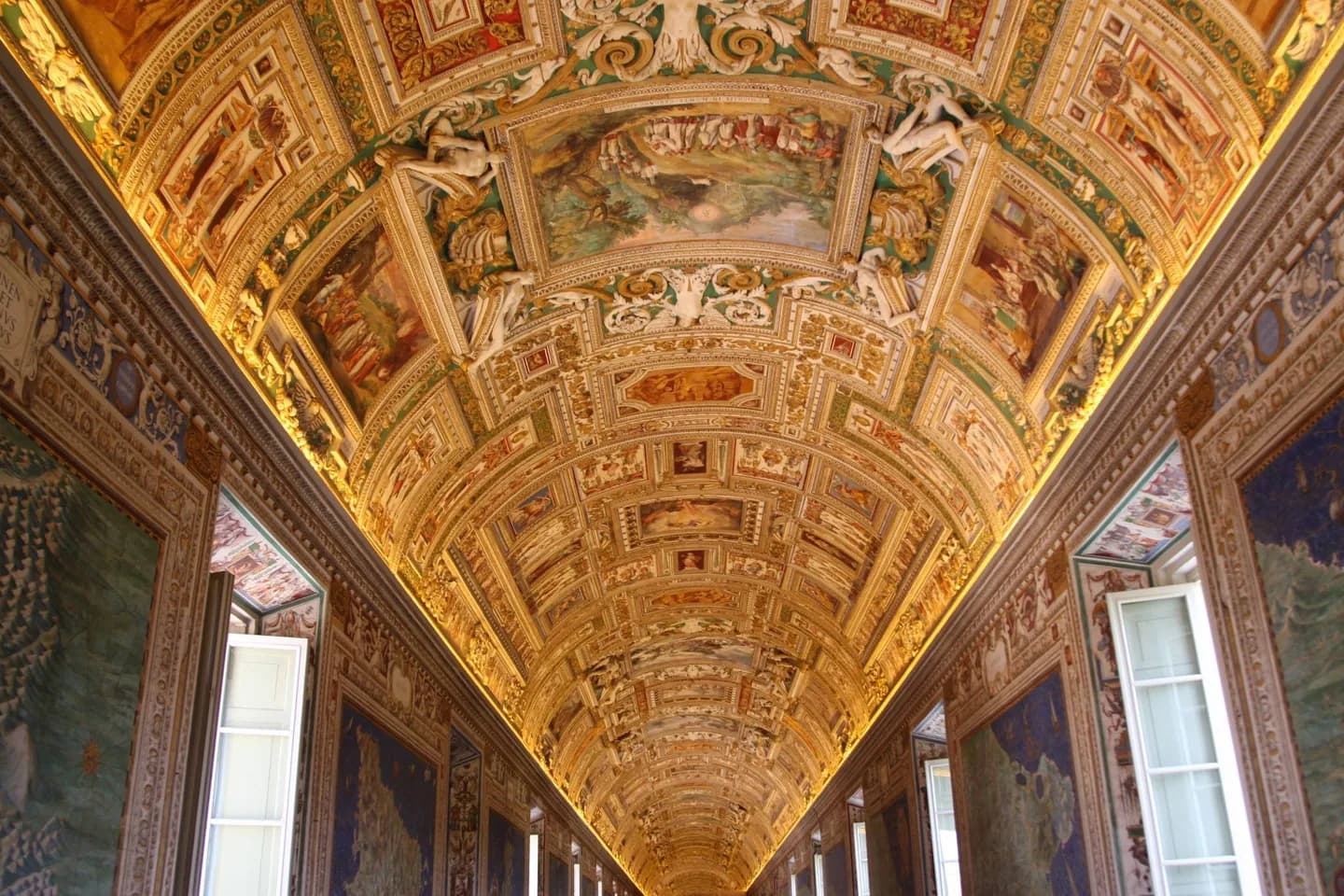
- The Gallery of Maps turns geographic knowledge into a long painted display.
- Michelangelo’s frescoes cover the Sistine Chapel ceiling and altar wall.
The full story
The Vatican Museums grew from centuries of papal collecting and patronage. An important early moment came in the sixteenth century, when the ancient Laocoön sculpture was discovered and displayed under Pope Julius II. Later collections filled galleries and former papal rooms. The Raphael Rooms show how art served a papal residence. The Gallery of Maps offers another kind of display, turning geography into a sequence of painted views. The Sistine Chapel brings the museum route to a space with a continuing role: its ceiling and altar wall carry Michelangelo’s frescoes, and the chapel is used for papal conclaves. Art and institutional history meet here. The museum complex rewards selection. Trying to give every room equal attention can blur the differences between ancient collections, decorated corridors and painted apartments. Chosen anchors reveal their different purposes.
Useful to know
- Set aside a substantial museum session and choose a few priority galleries before entering.
- Check the official calendar if planning around a Sunday or a religious holiday.
- Treat the Museums and St. Peter’s Basilica as separate visits when allocating time.
Your next visit
Estimated · Declared scenario and planning estimates; no live opening, weather, queue or booking service.
Outdoor visit · 30–45 min
World planning estimate; admission, opening, visit duration and access need checking.