
Why go
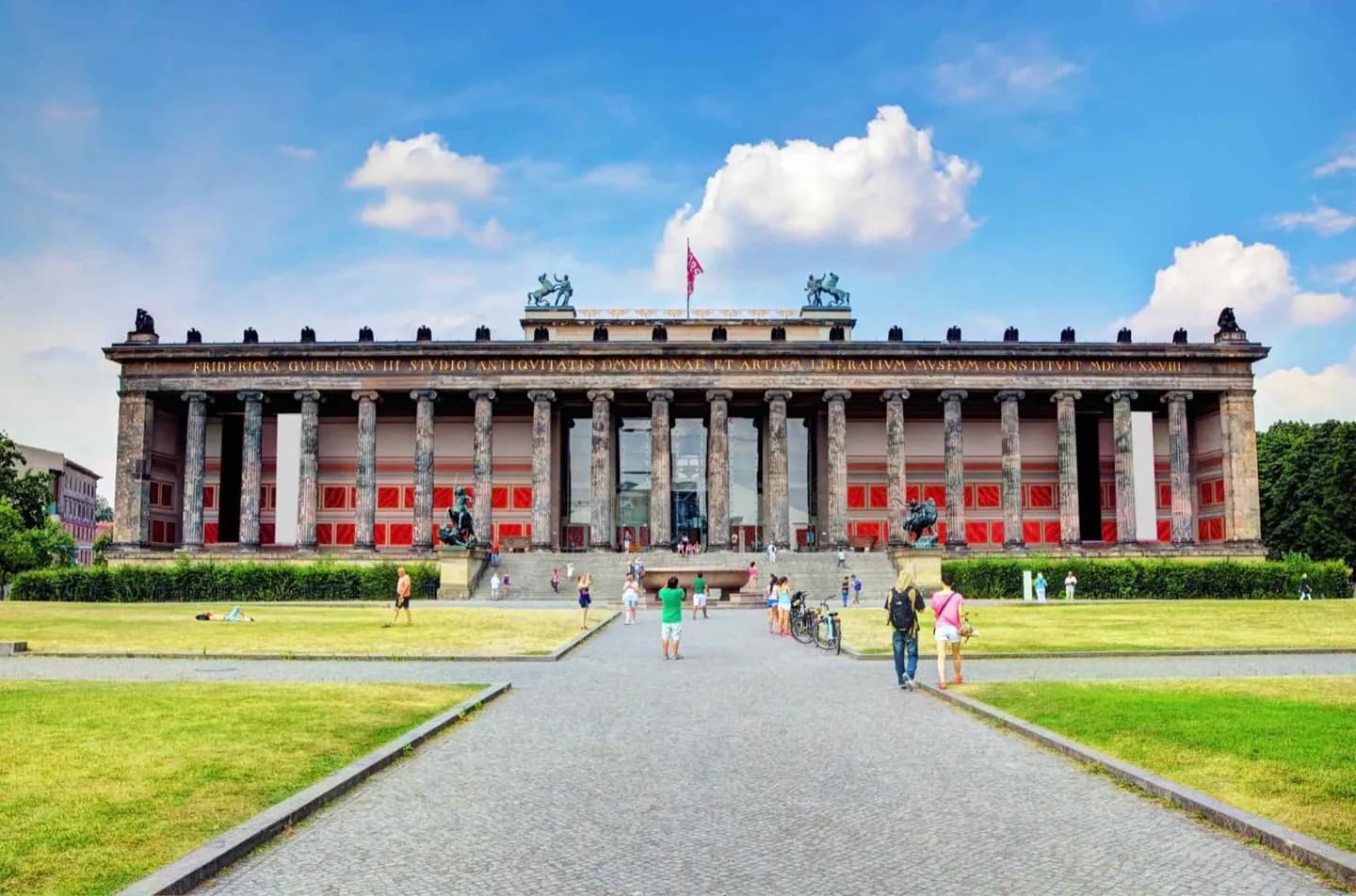
The museum presents classical antiquities in one of Museum Island's defining buildings. Since restoration work in 2010/11, it houses the Antikensammlung (antiquities collection) of the Berlin State Museums. The museum building was built between 1823 and 1830 by the architect Karl Friedrich Schinkel in the neoclassical style to house the Prussian royal family's art collection.
What to look for
- Schinkel's long Ionic colonnade leads into a rotunda inspired by the Pantheon.
- The museum presents classical antiquities in one of Museum Island's defining buildings.
The full story
Until 1845, it was called the Königliches Museum (Royal Museum). Along with the other museums and historic buildings on Museum Island, the Altes Museum was designated an UNESCO World Heritage Site in 1999. Planning and location In the early nineteenth century, Germany's bourgeoisie had become increasingly self-aware and self-confident. This growing class began to embrace new ideas regarding the relationship between itself and art, and the concepts that art should be open to the public and that citizens should be able to have access to a comprehensive cultural education began to pervade society. King Friedrich Wilhelm III of Prussia was a strong proponent of this humboldtian ideal for education and charged Karl Friedrich Schinkel with planning a public museum for the royal art collection.
Useful to know
- Verify current opening hours, closures and timed-entry rules on the official visitor page before setting out.
- Allow extra time for security or ticketing when the visit includes an interior collection or viewing platform.