
Why go
Pier Head and Albert Dock explain port architecture, while St George’s Hall and Central Library reveal civic Liverpool. The two cathedrals offer a religious and architectural comparison; Speke Hall adds a Tudor house farther from the centre. These combinations suit different interests and time budgets.
Useful to know
- Choose one nearby pair as the core of a visit.
- Check each interior venue separately; exterior landmarks need different planning.
- Save Speke Hall for a trip beyond the central clusters.
The route, stop by stop
Times are planning estimates. Unknown visit durations start at an editable 30 minutes; access is checked separately.
- 01
Optional · – min
Speke Hall
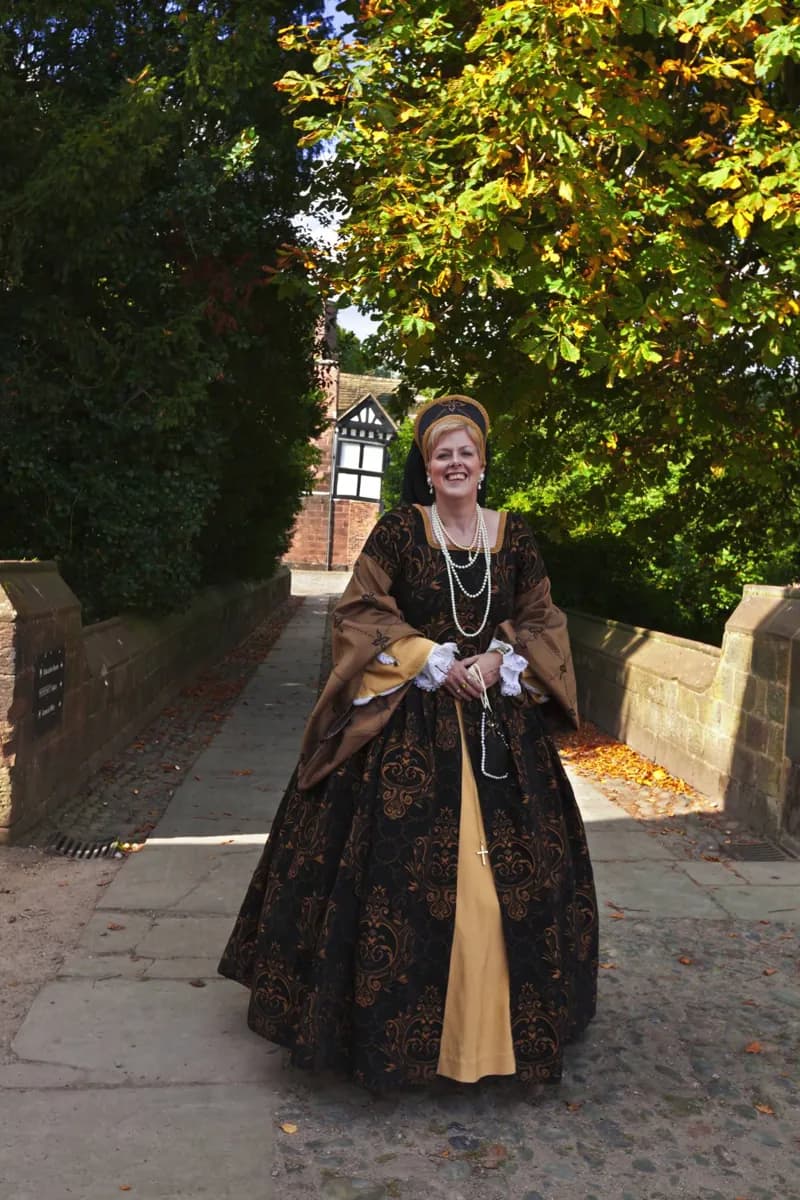
A timber-framed Tudor house south of central Liverpool offers richly detailed rooms and garden walks. Plan the house and grounds as different parts of the visit.
Explore Walk · 185 min · Estimated
02Optional · – min
St George’s Hall
This monumental Neoclassical hall faces Lime Street Station and anchors Liverpool’s cultural quarter. Its visitor centre is a starting point; access to historic rooms depends on events and tours.
Explore- 03
Optional · – min
Liverpool’s former World Heritage waterfront
Liverpool Maritime Mercantile City was inscribed as a UNESCO World Heritage Site in 2004 and removed from the list in 2021. The surviving port buildings remain worth understanding.
Explore - 04
Optional · – min
Pier Head waterfront
Pier Head gathers the Royal Liver, Cunard and Port of Liverpool buildings beside the Mersey ferry landing. It is a compact orientation area for Liverpool’s maritime skyline.
Explore - 05
Optional · – min
Royal Albert Dock Liverpool
A circuit of the historic dock basin puts Liverpool’s warehouse architecture at walking pace. It works as a waterfront base, with separate museums and attractions requiring their own access checks.
Explore - 06
Optional · – min
Stanley Dock conservation area
North of Pier Head, the Stanley Dock district preserves large-scale industrial waterfront fabric, including docks, canal locks and warehouses. It suits an outdoor heritage look rather than an assumed dock visit.
Explore - 07
Optional · – min
Ropewalks and Duke Street
Southwest of Liverpool’s older centre, Ropewalks preserves streets shaped by early port trade. Duke Street, Hanover Street and the Bluecoat area give a manageable walking focus.
Explore - 08
Optional · – min
Castle Street commercial quarter
Castle Street links Liverpool Town Hall with a compact network of former banks, offices and trading streets. The area includes Water Street, Dale Street and Exchange Flags.
Explore - 09
Optional · – min
Liverpool waterfront and docks
The central Mersey waterfront runs from Pier Head’s monumental offices through Albert Dock’s warehouses to the redeveloped King’s Dock area. Each stretch shows a different port era.
Explore - 10
Optional · – min
Port of Liverpool
The Mersey port landscape links Pier Head’s shipping offices with Liverpool’s dock system. It is a broad waterfront area best understood through a few distinct surviving landmarks.
Explore - 11
Optional · – min
Liverpool Cathedral
Giles Gilbert Scott’s vast Anglican cathedral rewards time for its interior scale, Lady Chapel and stained glass. Worship and tower access have separate arrangements, so check the cathedral’s visitor information.
Explore Walk · 15 min · Estimated
12Optional · – min
Liverpool Metropolitan Cathedral
Liverpool’s Catholic cathedral centres worshippers beneath a coloured-glass lantern. The circular interior is the main experience; Lutyens Crypt is a separate visit with its own access arrangements.
Explore