
Why go
The setting carries much of the memorial’s meaning. Turing worked in computing and mathematics, while his prosecution for homosexuality made him a symbol of state prejudice. Seeing the figure between the university area and the Gay Village makes those two parts of his story feel connected rather than abstract.
What to look for
- Turing sits on a bronze bench in Sackville Gardens.
- The figure holds an apple and is accompanied by a commemorative plaque.
- The park lies between the university area and Canal Street.
The full story
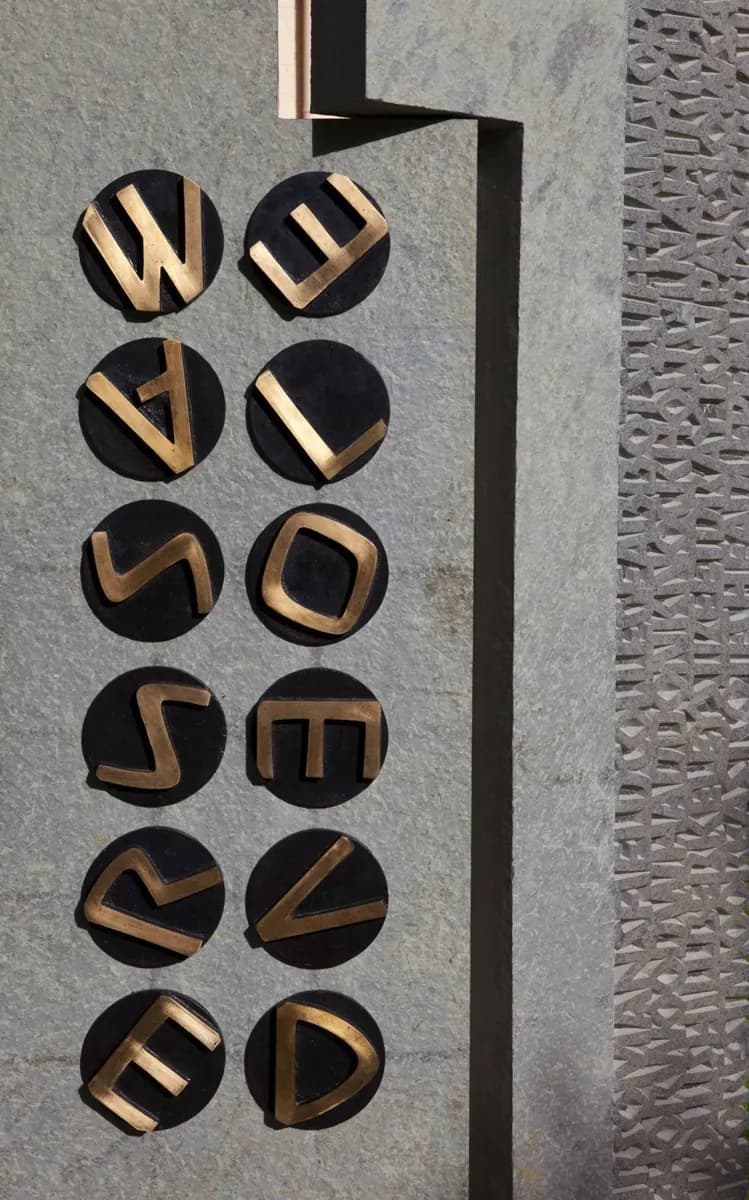
Alan Turing helped shape modern computing and worked as a wartime codebreaker. His life also exposes a harsher part of British history: he was prosecuted for homosexuality when it was illegal, and died in 1954. Manchester’s memorial holds both histories in view. The bronze Turing sits on a bench in Sackville Gardens, near the city’s Gay Village and the university area associated with its scientific life. He holds an apple, but the memorial’s words are a steadier guide to its meaning than any single interpretation of that object. The plaque names him as a mathematician, logician, codebreaker and victim of prejudice. The bench carries his name and dates, and an inscription rendered in an Enigma-style code. That combination invites a pause: read the text, look at the figure, then consider why the sculpture stands here rather than in an isolated science setting. The nearby Beacon of Hope extends the gardens’ role as a place of remembrance.
Useful to know
- Combine the memorial with the Beacon of Hope in the same gardens.
- Approach from Canal Street or Sackville Street and allow a quiet few minutes to read the plaque.
Your next visit
Estimated · Declared scenario and planning estimates; no live opening, weather, queue or booking service.
Outdoor visit · 30–45 min
World planning estimate; admission, opening, visit duration and access need checking.