
Why go
This building joins two strands of Manchester's public life: debate over trade and political rights, and a long history of music. The Peter Street frontage offers a short, meaningful stop for visitors tracing Peterloo or the city's concert history. The plaque helps place that history on the street.
What to look for
- The historic facade remains visible from Peter Street.
- A plaque recalls the nearby Peterloo Massacre site.
The full story
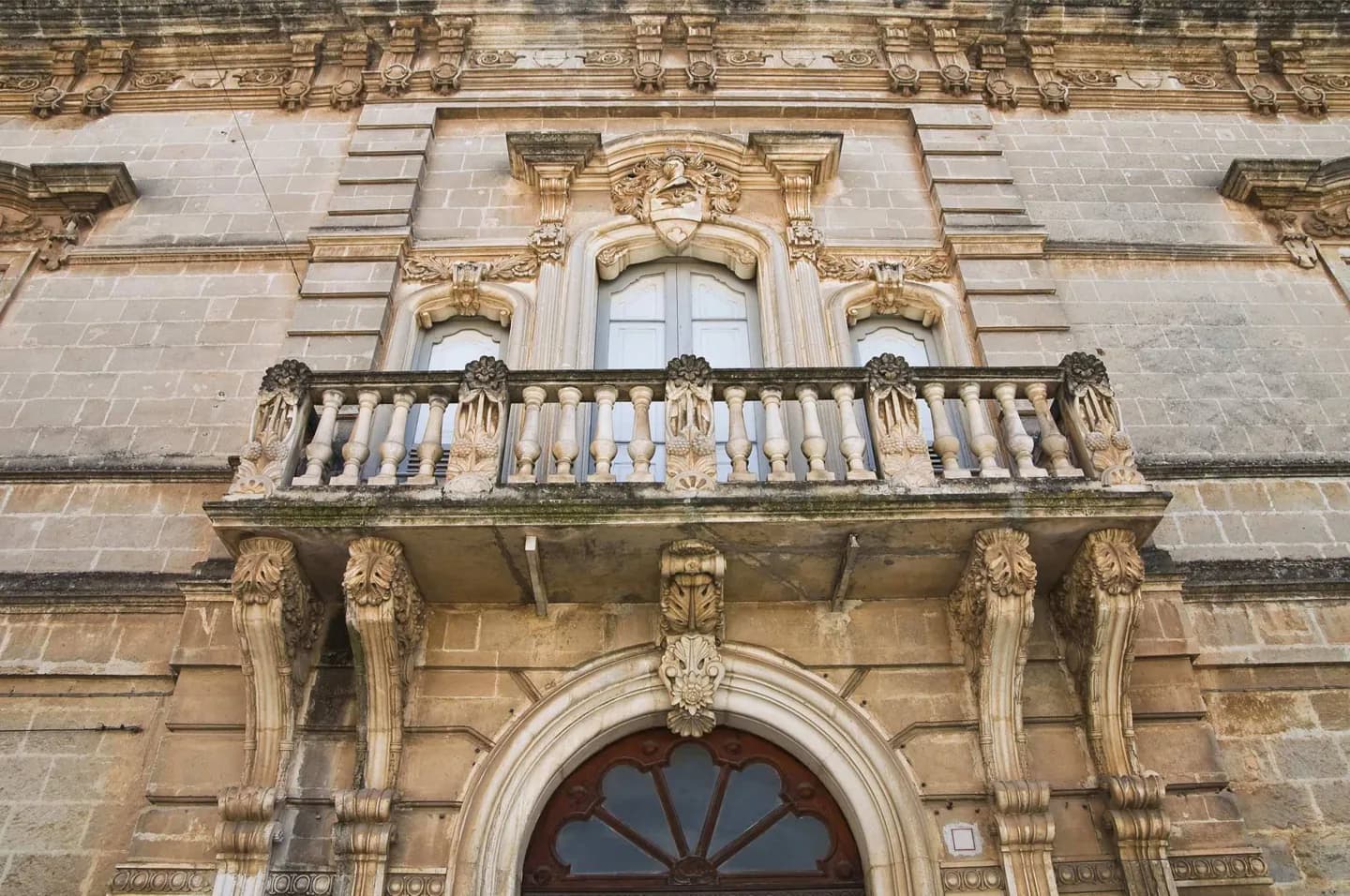
The Free Trade Hall was built in the 1850s near St Peter's Fields, the site of the 1819 Peterloo Massacre. Its position gave the building a political charge from the outset: a hall named for free trade rose close to a place remembered for the violent suppression of a public reform meeting. The Peter Street facade and plaque make that connection visible without needing to enter. The hall later became important to Manchester's musical life. The Hallé Orchestra first performed there in 1858 and continued to use it until moving to Bridgewater Hall in the 1990s. The former hall is now incorporated into a hotel, so the historic experience available to a passer-by is primarily the exterior. Stand back on Peter Street to take in the frontage, then consider the two histories it holds: mass politics outside and organised concert life within.
Useful to know
- Read the exterior from Peter Street and combine it with other central history stops.
- Treat the former hall as an exterior heritage stop; its interior has a different present-day use.
Your next visit
Estimated · Declared scenario and planning estimates; no live opening, weather, queue or booking service.
Outdoor visit · 30–45 min
World planning estimate; admission, opening, visit duration and access need checking.