
Why go
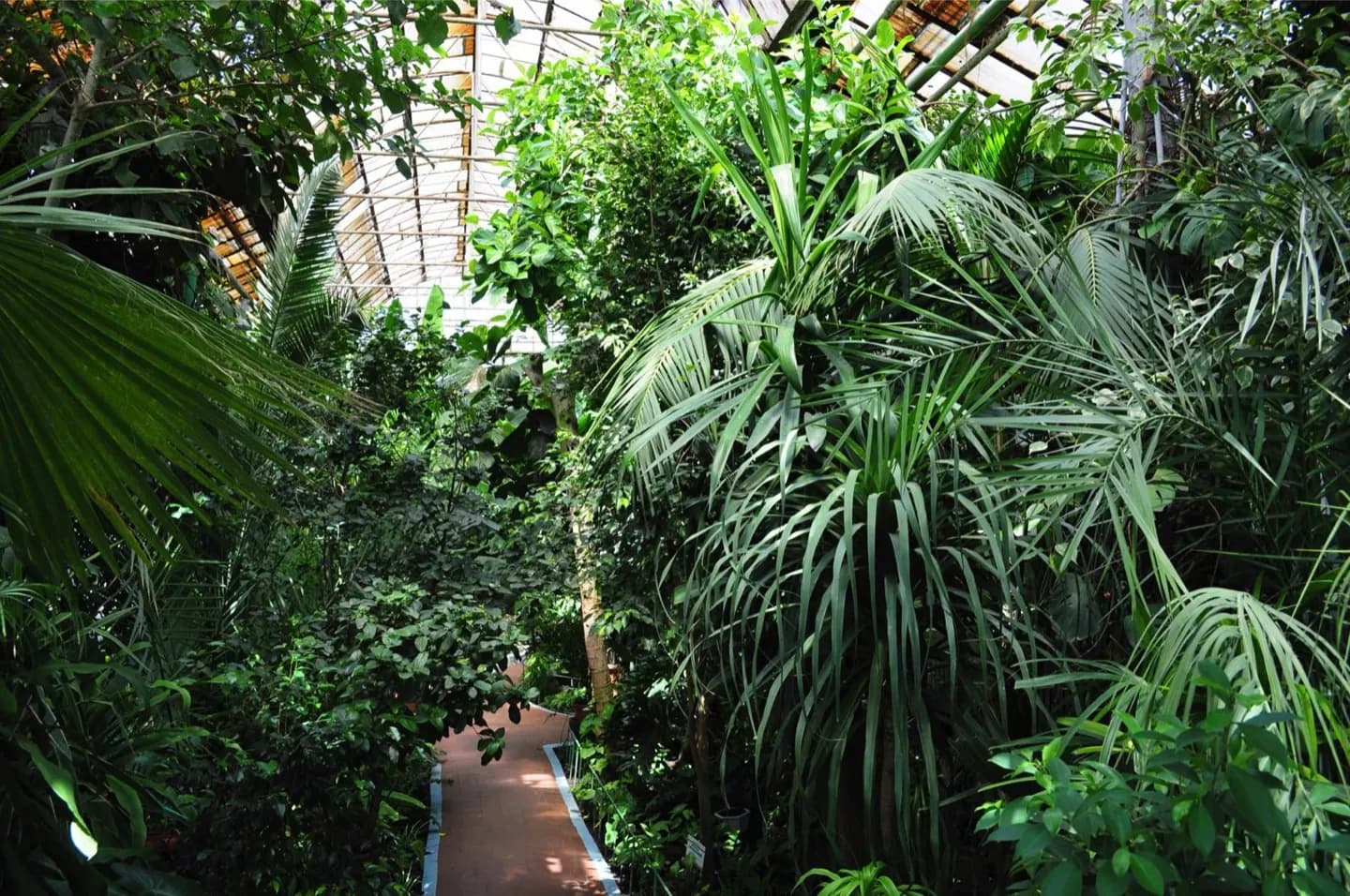
Founded for the study of plants and medicine, the garden links Montpellier’s university history to a landscape you can explore on foot. The older garden, arboretum and orangery give several distinct things to look for, close to the cathedral and medical faculty.
What to look for
- Mature trees give the arboretum a different scale from the smaller planted beds.
- The orangery recalls the garden’s long use for botanical collections.
- Medicinal planting connects the grounds to Montpellier’s history of medical teaching.
The full story
Montpellier’s botanical garden began in 1593 under Pierre Richer de Belleval, a professor of botany and anatomy. It was created to support teaching about plants and their medical uses, which explains why its layout feels more purposeful than an ornamental park. The garden later expanded, adding an orangery and an arboretum in the nineteenth century. Its older sections and mature trees now show different stages of that long development. The university still gives the site its identity. As you walk, notice how the cultivated beds, larger trees and built structures serve different ways of studying plants. The setting also makes sense of Montpellier’s nearby medical heritage: the garden was part of the same world of observation and teaching, not a detached green space.
Useful to know
- Pair the garden with nearby Cathédrale Saint-Pierre and the medical faculty area.
- Check the university’s current opening timetable before making this the fixed point of your day.
- Ask the entrance staff about the suitable route if you need step-free access.
Your next visit
Estimated · Declared scenario and planning estimates; no live opening, weather, queue or booking service.
Outdoor visit · 30–45 min
World planning estimate; admission, opening, visit duration and access need checking.