
Why go
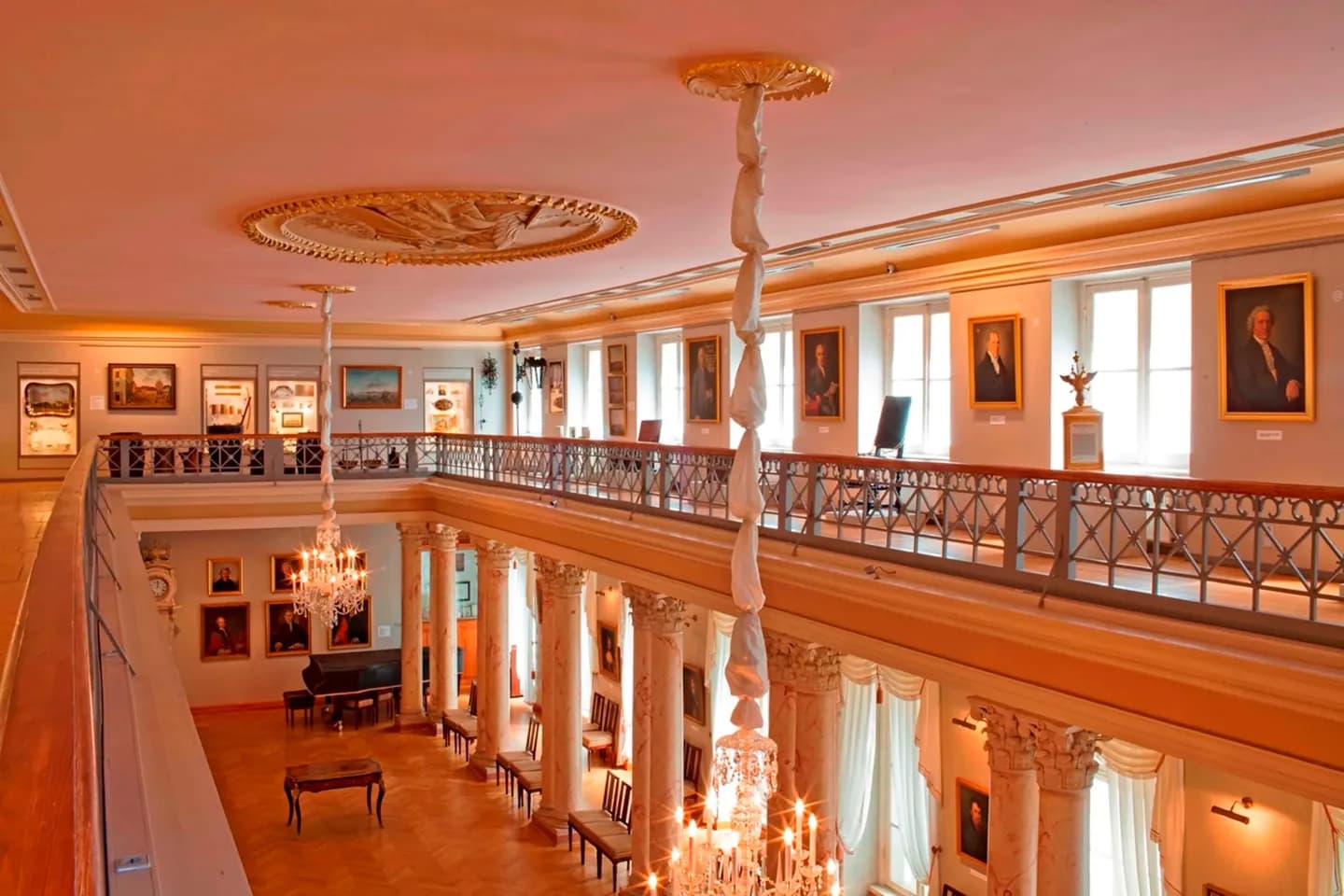
Here the setting matters as much as the objects. Historical maps, ship models and domestic items make Riga’s port and trading history tangible, while the vaulted gallery and Cathedral surroundings connect the displays to the old city outside. The building helps visitors picture the centuries described in its rooms.
What to look for
- The museum occupies part of the Riga Cathedral ensemble.
- Maps, ship models and navigation instruments trace the city’s trading connections.
- The former monastery gallery preserves medieval architectural context.
The full story
The Museum of the History of Riga and Navigation grew from the collection of Nikolaus von Himsel, an eighteenth-century Riga doctor. Its home within the Riga Cathedral ensemble gives those objects an unusually direct setting. Parts of the former monastery were adapted for museum use, and the complex includes a vaulted gallery and rooms shaped by later centuries. The collections trace Riga from its early settlement and port through the Hanseatic trading era and subsequent periods of rule. Maps and old views show how the city changed physically; ship models and navigation instruments explain why the Daugava and Baltic connections mattered. Everyday objects then bring that large history down to the scale of households and civic life. Walk around the Cathedral area before or after the galleries so the old streets and river-facing city provide a reference for what is displayed inside.
Useful to know
- Combine the museum with time around Riga Cathedral and its courtyard.
- Follow the city-history displays before the navigation material to build a clearer picture of Riga’s port.
Your next visit
Estimated · Declared scenario and planning estimates; no live opening, weather, queue or booking service.
Indoor visit · 30–45 min
World planning estimate; admission, opening, visit duration and access need checking.