
Why go
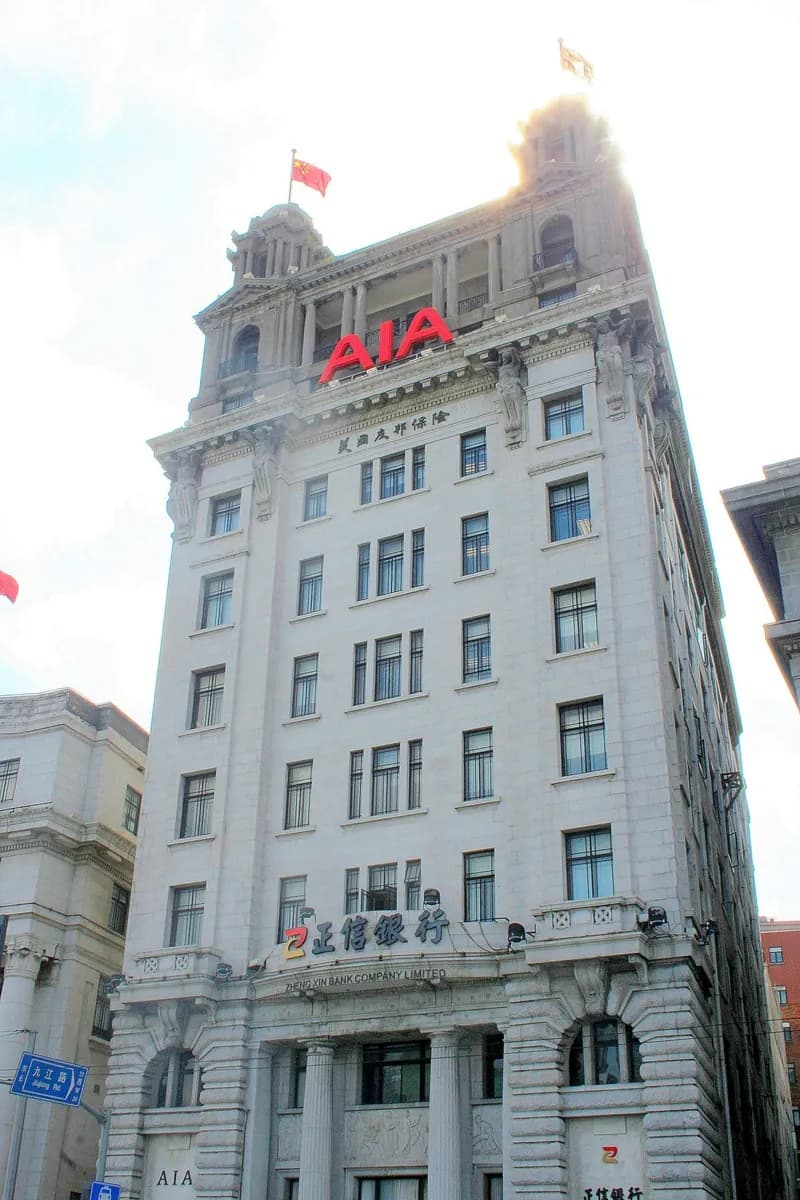
The building connects the waterfront to the English-language press that followed Shanghai’s shipping and commercial growth. Its Baroque towers, classical pillars and relief sculpture create a more elaborate composition than some neighboring offices. The rough lower granite and smoother upper surfaces make the facade worth reading from street level.
What to look for
- Baroque towers above a neo-Renaissance composition
- Classical pillars and Renaissance relief sculpture
- Rough-hewn granite on the lowest two floors
The full story
The North China Daily News began publishing in Shanghai in 1850, with shipping news reflecting the expanding commercial port. It later moved to the Bund and commissioned this headquarters as the newspaper grew. Architects Lester, Johnson & Morriss designed a building that opened in 1924, when it was Shanghai’s tallest. Insurance offices joined the newspaper from 1927, beginning a second commercial association that continued through later uses. War and political change altered its occupants, and the newspaper closed in 1951. A later restoration preceded its return to insurance use under AIA. Those changes explain why the same building carries both a newspaper name and an insurance identity. Its elaborate facade belongs to a time when an office headquarters could announce its institution’s importance through stonework, towers and sculpture, much as nearby banks did through domes and columns.
Useful to know
- Locate No. 17 between the other institutional facades on the Bund.
- Inspect the lower stonework, then step back to see the towers.
- Treat the building as an exterior stop unless an announced program allows interior visits.
Your next visit
Estimated · Declared scenario and planning estimates; no live opening, weather, queue or booking service.
Outdoor visit · 30–45 min
World planning estimate; admission, opening, visit duration and access need checking.