
Why go
See the building for the link between royal patronage, national performance and the civic center. A scheduled performance or tour provides the full experience, but the exterior also completes the architectural sequence between parliament, Kungsträdgården and the palace. Its waterside position links performance culture with Stockholm’s ceremonial center.
What to look for
- The principal facade addressing Gustav Adolfs torg.
- The opera house’s position opposite the Arvfurstens Palace.
- Views toward parliament and the Royal Palace from the surrounding bridges.
The full story
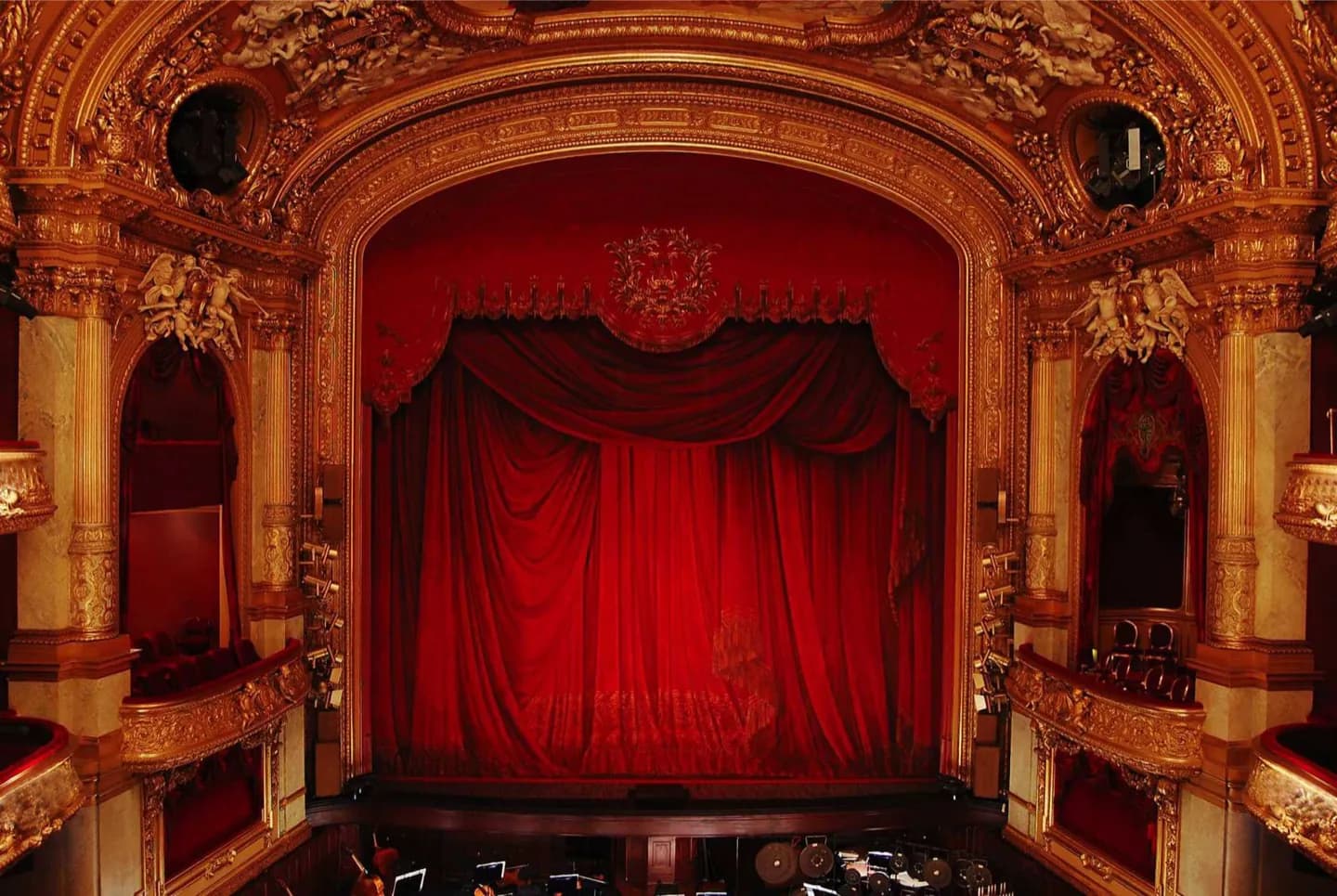
The Royal Swedish Opera traces its foundation to Gustav III, who established a Swedish-language opera company in the eighteenth century. Its first performance took place in 1773, and the first dedicated royal opera house opened later that decade. The current building replaced that earlier theatre at the end of the nineteenth century while preserving the institution’s central location near the palace and government district. Opera, ballet and orchestral performance share the stage, making the company a national performing-arts institution rather than only a historic monument. The exterior’s formal symmetry responds to Gustav Adolfs torg and the water beyond, where bridges connect the northern city with parliament and Gamla Stan. Before or after a performance, look at those alignments. They explain why the opera was placed here: royal culture, public ceremony and movement through the capital converge around the square.
Useful to know
- Use the official program for performances and any guided access.
- The exterior fits easily into a walk between Gamla Stan, Kungsträdgården and Nybroplan.
Your next visit
Estimated · Declared scenario and planning estimates; no live opening, weather, queue or booking service.
Outdoor visit · 30–45 min
World planning estimate; admission, opening, visit duration and access need checking.