
Why go
Visit Vabamu for context that the Old Town’s older monuments cannot give on their own. The Freedom Without Borders exhibition follows occupation, resistance, exile and the recovery of freedom, connecting personal experience to Estonia’s recent national history and the meaning of independence today.
What to look for
- Freedom Without Borders traces occupation, resistance and restored independence.
- The museum stands near Toompea, a useful contrast with the hill’s seats of government.
The full story
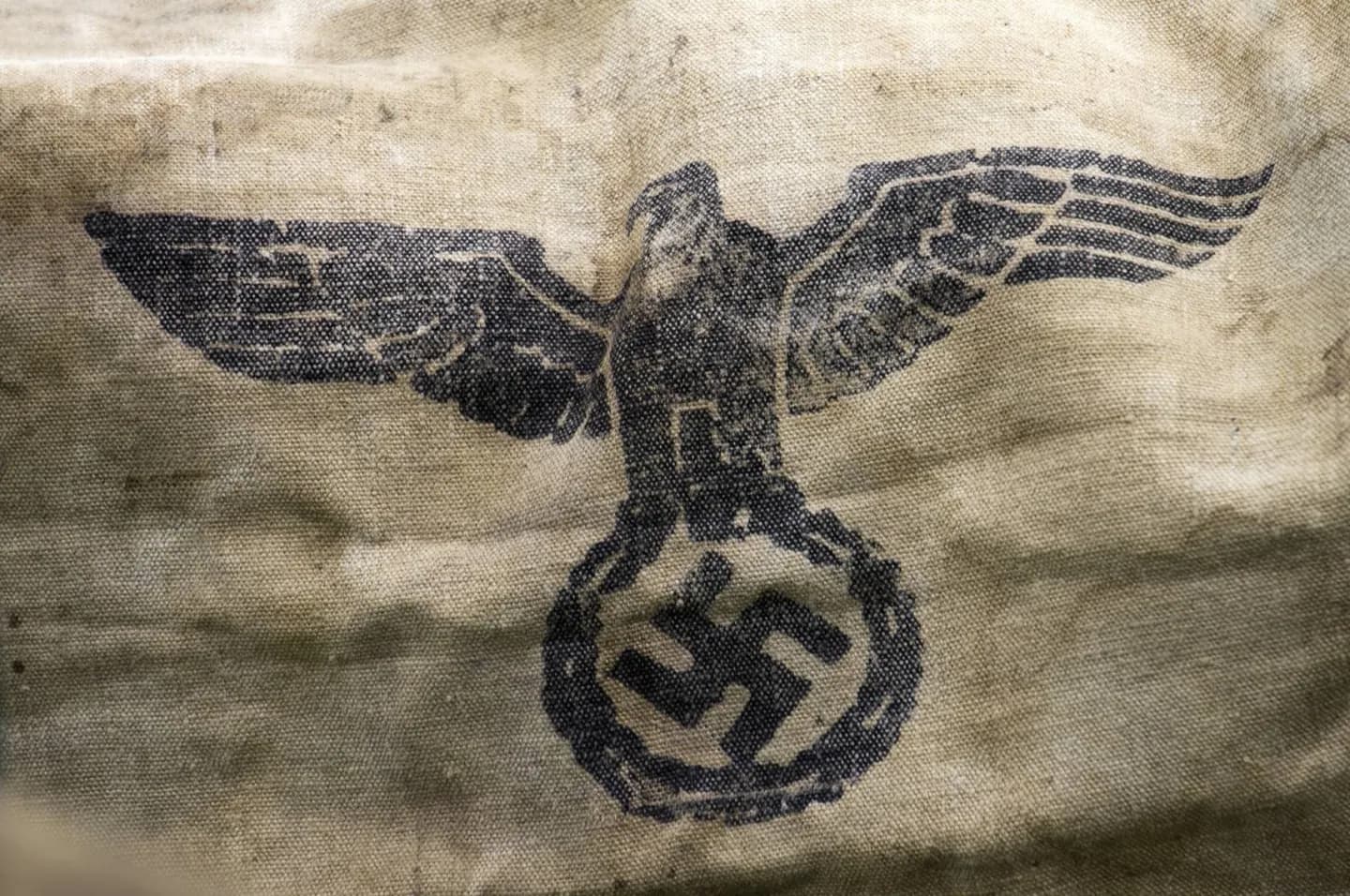
Vabamu opened in 2003 as the Museum of Occupations, focusing on the period from 1940 to 1991. Estonia lived through Soviet occupation, Nazi German occupation and a renewed Soviet period before regaining independence. The museum’s current name adds freedom to that difficult history, and its Freedom Without Borders exhibition considers resistance, exile and recovery alongside repression. That scope changes the way nearby Toompea reads. The castle and government buildings show where state power is exercised; Vabamu asks what happened when Estonians lost control of their state and how they regained it. The museum was founded through the work of Olga Kistler-Ritso and the foundation named for her. Rather than treating it as an isolated twentieth-century detour, combine it with the political landmarks on the hill to understand why independence carries such weight in present-day Tallinn.
Useful to know
- Set aside focused indoor time for the exhibition after seeing Toompea’s parliament and government buildings.
- Use the current Vabamu name when looking up the museum; older references call it the Museum of Occupations.
Your next visit
Estimated · Declared scenario and planning estimates; no live opening, weather, queue or booking service.
Indoor visit · 30–45 min
World planning estimate; admission, opening, visit duration and access need checking.