
Why go
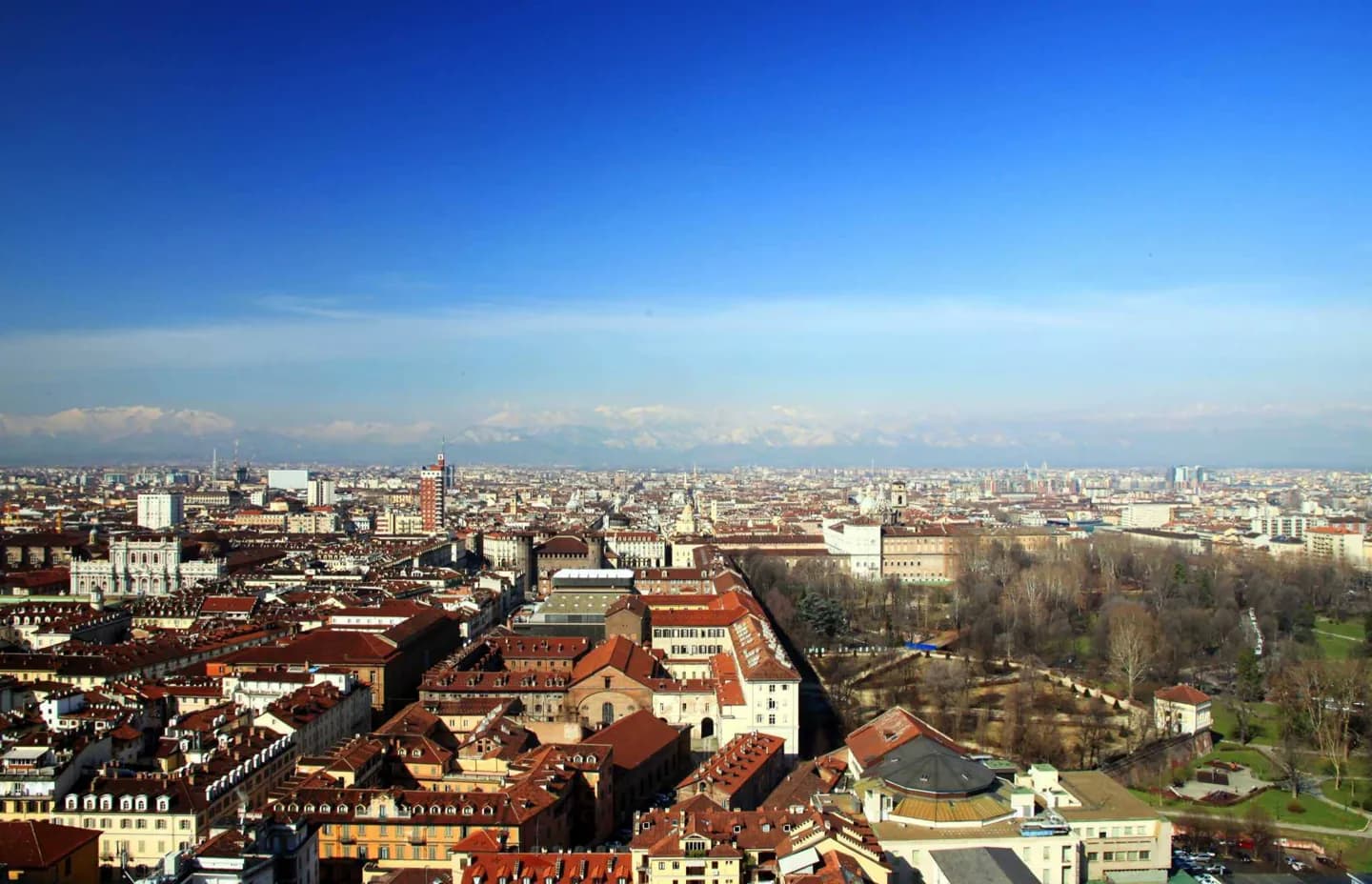
This is the clearest place to read Turin's layers without committing to a museum visit. The straight streets around Via Garibaldi recall the Roman town, while Palazzo Madama and the Royal Palace show how the Savoy rulers reshaped its centre. The area works well as an orientation walk before choosing an interior.
What to look for
- The straight Via Garibaldi axis crosses the older street grid of the Quadrilatero Romano.
- Palazzo Madama and the Royal Palace face the open space of Piazza Castello.
- The Porte Palatine preserve a visible part of the Roman city.
The full story
The old centre still carries the outline of Roman Augusta Taurinorum. Its straight, crossing streets are easiest to grasp around the Quadrilatero Romano, where Via Garibaldi follows the ancient east–west axis. The Porte Palatine survive near the northern edge of that Roman core, while parts of a former city gate were absorbed into what became Palazzo Madama. These fragments explain why the street plan feels more orderly than the lanes of many older Italian centres. Later, the House of Savoy made Turin a capital and expanded it beyond the Roman grid. Around Piazza Castello, the Royal Palace and its associated court buildings turned a defensive and commercial centre into a ceremonial one. Walk from the narrower Roman blocks into the broad square and the change in scale becomes part of the visit.
Useful to know
- Use Piazza Castello as a starting point, then branch into the Quadrilatero Romano off Via Garibaldi.
- Choose one major interior around the square; the Royal Museums and Palazzo Madama each merit separate time.