
Why go
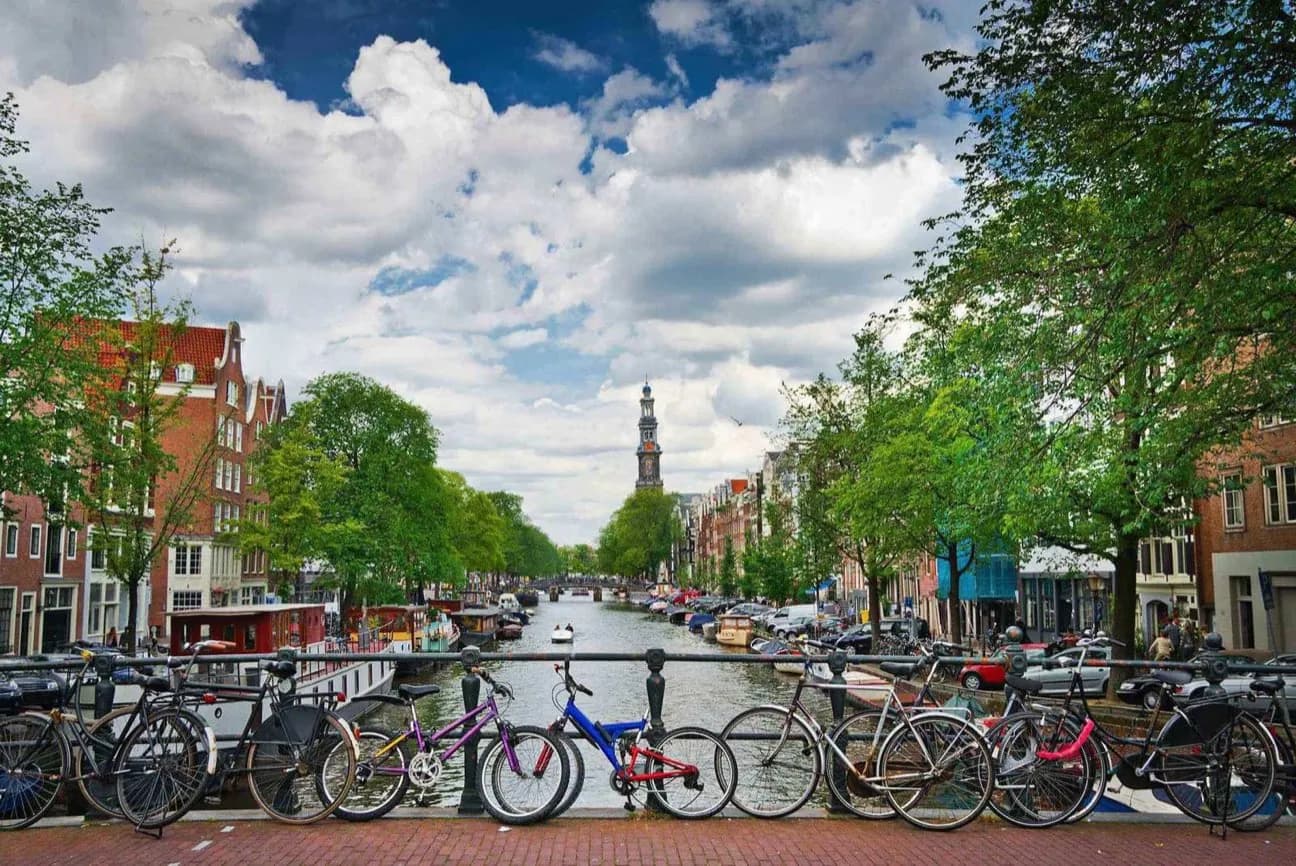
Explore the ring to see city planning made visible: concentric canals organized expansion, transport and prestigious housing around the medieval core. Herengracht, Keizersgracht and Prinsengracht each reveal a different relationship between water, street and domestic architecture. Crossing the arcs exposes that plan better than one long canal walk.
What to look for
- Read the three main canals as broad arcs around the older centre.
- Compare Herengracht mansions with the longer, more varied Prinsengracht.
- Use cross streets and bridges to see the canals align as one planned system.
The full story
The seventeenth-century canal ring expanded Amsterdam beyond its older boundary at the Singel. Engineers and city leaders laid out Herengracht, Keizersgracht and Prinsengracht in concentric arcs, joining water management, transport and real-estate development in one plan. Herengracht became associated with governors and wealthy merchants; Keizersgracht was made especially wide; Prinsengracht formed the longest outer line of the trio. Houses, warehouses, bridges and quays developed as a connected urban ensemble rather than isolated monuments. That coherence is why the Seventeenth-Century Canal Ring Area of Amsterdam inside the Singelgracht is recognized as a UNESCO World Heritage Site. Much of the network and its facade lines survives, allowing visitors to read the original plan on the ground. The ring is too extensive for a single walk. A short cross-section from the inner canals outward often explains more than following one waterside path for kilometres, because each bridge reveals how the arcs relate.
Useful to know
- Pick one canal pair and several cross streets for a coherent walk.
- Use a cruise for the overall geometry, then return on foot for facade details.
- Allow extra time on cobbles and narrow bridge approaches, especially in wet weather.
Your next visit
Estimated · Declared scenario and planning estimates; no live opening, weather, queue or booking service.
Outdoor visit · 30–45 min
World planning estimate; admission, opening, visit duration and access need checking.