
Why go
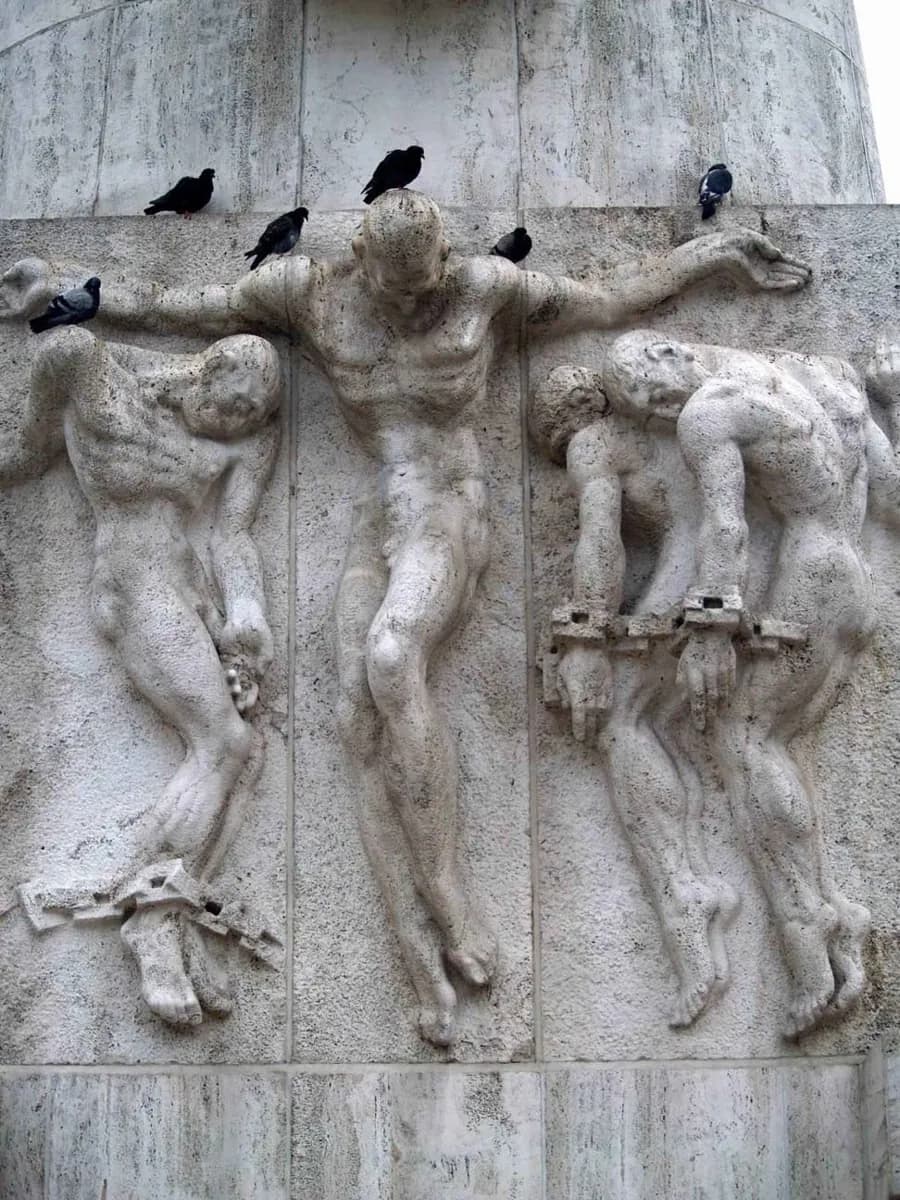
Stand here to read Amsterdam's growth in a single view: a medieval dam became a market, government centre and ceremonial stage. The palace shows civic ambition, while the monument keeps national remembrance present amid trams, shops and daily crowds. Few places set those urban roles so visibly side by side.
What to look for
- Compare the Royal Palace facade with the Gothic Nieuwe Kerk beside it.
- Find the National Monument at the opposite end of the square.
- Trace the Damrak-Rokin line, which follows the former course of the Amstel.
The full story
Dam Square began where a dam crossed the Amstel around the thirteenth century. As the structure widened, it joined the Middeldam and the western plaza called Plaetse, creating the core around which medieval Amsterdam expanded. Ships once reached the dam to load goods, and a fish market made the square a commercial centre. Civic power followed: Amsterdam's town hall occupied the western side, in the building now used as the Royal Palace. The Damrak and Rokin still mark the river's old north-south course, even though parts were later filled. The square's role kept changing with the city. Horse trams once made it Amsterdam's main transport hub before that function shifted toward Centraal Station. Today the Royal Palace, Nieuwe Kerk and National Monument place government, religion and remembrance within one compact view. The constant flow through the square is therefore not incidental; movement, trade and public assembly have shaped this site for centuries.
Useful to know
- Cross tram lanes carefully and expect little shelter in rain or strong wind.
- Combine the square with the Royal Palace or National Monument rather than treating it as a long stop.
Your next visit
Estimated · Declared scenario and planning estimates; no live opening, weather, queue or booking service.
Outdoor visit · 10–15 min
Public-space walk and exterior observation only; no interior, garden, tower or ticketed admission included. Durations and walking are estimates. Check temporary restrictions and park or market opening times.
Outdoor visit · 30–45 min
World planning estimate; admission, opening, visit duration and access need checking.