
Why go
Visit to see how seventeenth-century Catholics adapted a merchant house for worship when public practice was restricted. The route from kitchen and parlours to a three-storey attic church makes religious tolerance tangible through architecture. Few museum routes make a political compromise so physically legible.
What to look for
- Move through the front room, hall and kitchen before the church appears upstairs.
- Notice how three upper floors were joined to create a surprisingly tall worship space.
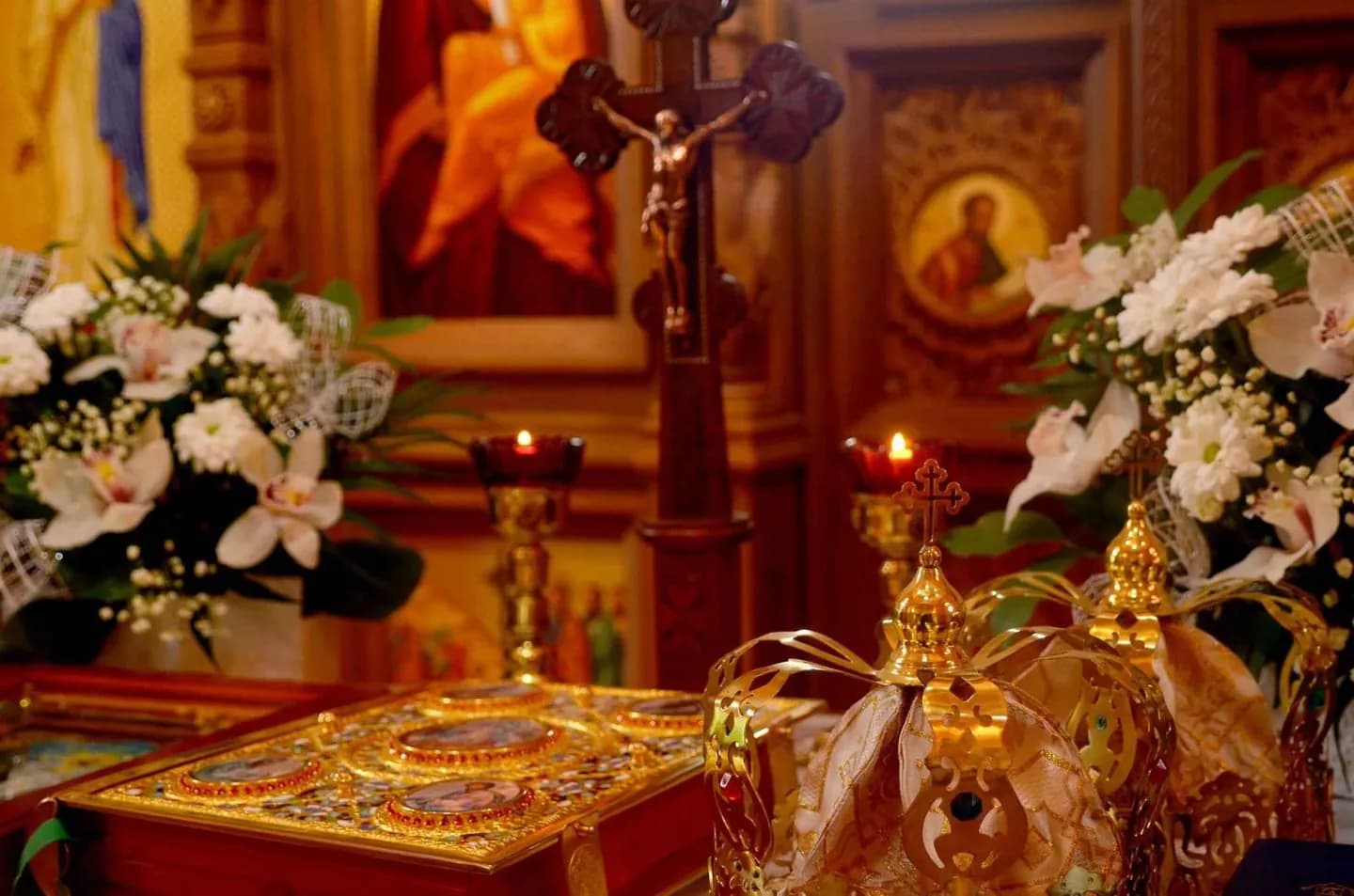
- Look for the Lady Chapel and confessional within the concealed church complex.
The full story
Built in 1630, the house on Oudezijds Voorburgwal was transformed between 1661 and 1663 into a Catholic church behind an ordinary canal-house facade. Such a schuilkerk, or clandestine church, allowed Catholics to worship when the Dutch Reformed authorities did not permit their services in public. Concealment was architectural, not absolute: neighbours and officials could know a church existed, provided its presence remained discreet from the street. That compromise becomes clear as you climb. Domestic rooms, a seventeenth-century kitchen and circulation through the house prepare the reveal of a tall, furnished sanctuary overhead. The church lost its original role after the new St Nicholas church opened nearby. In 1888 the house became a museum. Seeing it after Oude Kerk sharpens the contrast between Amsterdam's dominant public church and a minority community's carefully negotiated private space.
Useful to know
- Check the museum's official visit page because published Sunday and holiday information conflicts.
- Expect stairs and narrow historic rooms to shape the pace of the visit.
- Combine it with Oude Kerk to compare public and concealed worship in the same district.
Your next visit
Estimated · Declared scenario and planning estimates; no live opening, weather, queue or booking service.
Outdoor visit · 30–45 min
World planning estimate; admission, opening, visit duration and access need checking.