
Why go
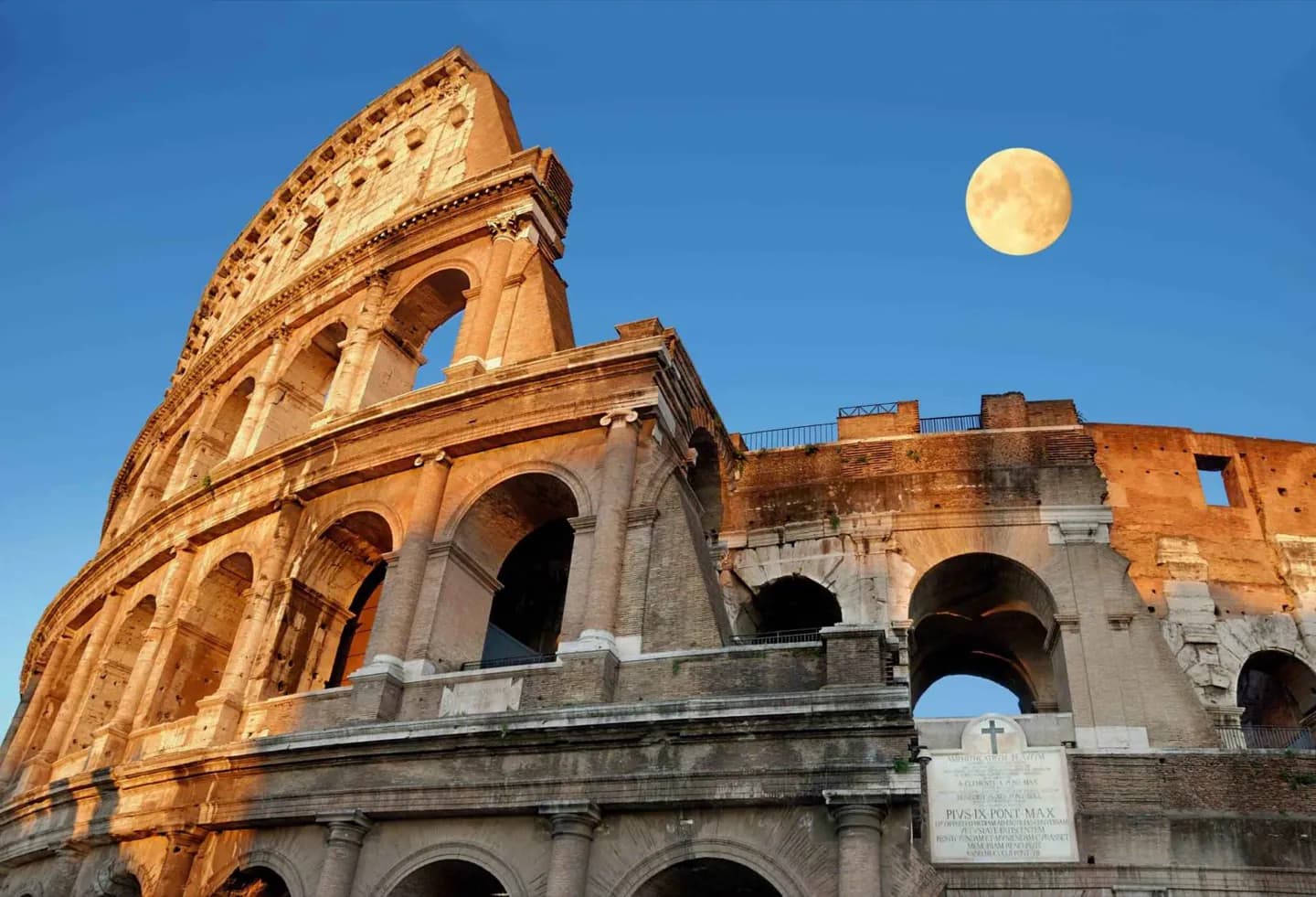
The scale becomes legible only inside: entrances, corridors and seating tiers show how tens of thousands of spectators could be moved through a purpose-built entertainment venue. The surviving structure also reveals a second life as housing, workshops, fortress, quarry and Christian shrine after the games ended.
What to look for
- Look down into the hypogeum, where lifts, cages and service passages once supported arena spectacles.
- Compare the surviving outer wall with the lower, earthquake-damaged side to understand how much stone was lost or.
- Notice how the stacked arches and circulation corridors organized spectators by level around the oval arena.
Useful to know
- Allow about 90 minutes for the standard interior route; underground, arena and upper-level experiences require more time.
- Combine it with the Roman Forum and Palatine Hill, but treat the three sites as a substantial half-day rather than a quick cluster.
- Most of the visit is exposed to heat and rain, with stone surfaces and repeated stairs.
Your next visit
Estimated · Declared scenario and planning estimates; no live opening, weather, queue or booking service.
Outdoor visit · 10–15 min
Public-space walk and exterior observation only; no interior, garden, tower or ticketed admission included. Durations and walking are estimates. Check temporary restrictions and park or market opening times.
Outdoor visit · 30–45 min
World planning estimate; admission, opening, visit duration and access need checking.