
Why go
The sequence of dressing, warm and hot rooms survives in a city better known for churches. Its long use into the twentieth century makes the bath a concrete link between Byzantine construction and later neighbourhood life. It is especially useful for understanding the Upper Town as a lived neighbourhood.
What to look for
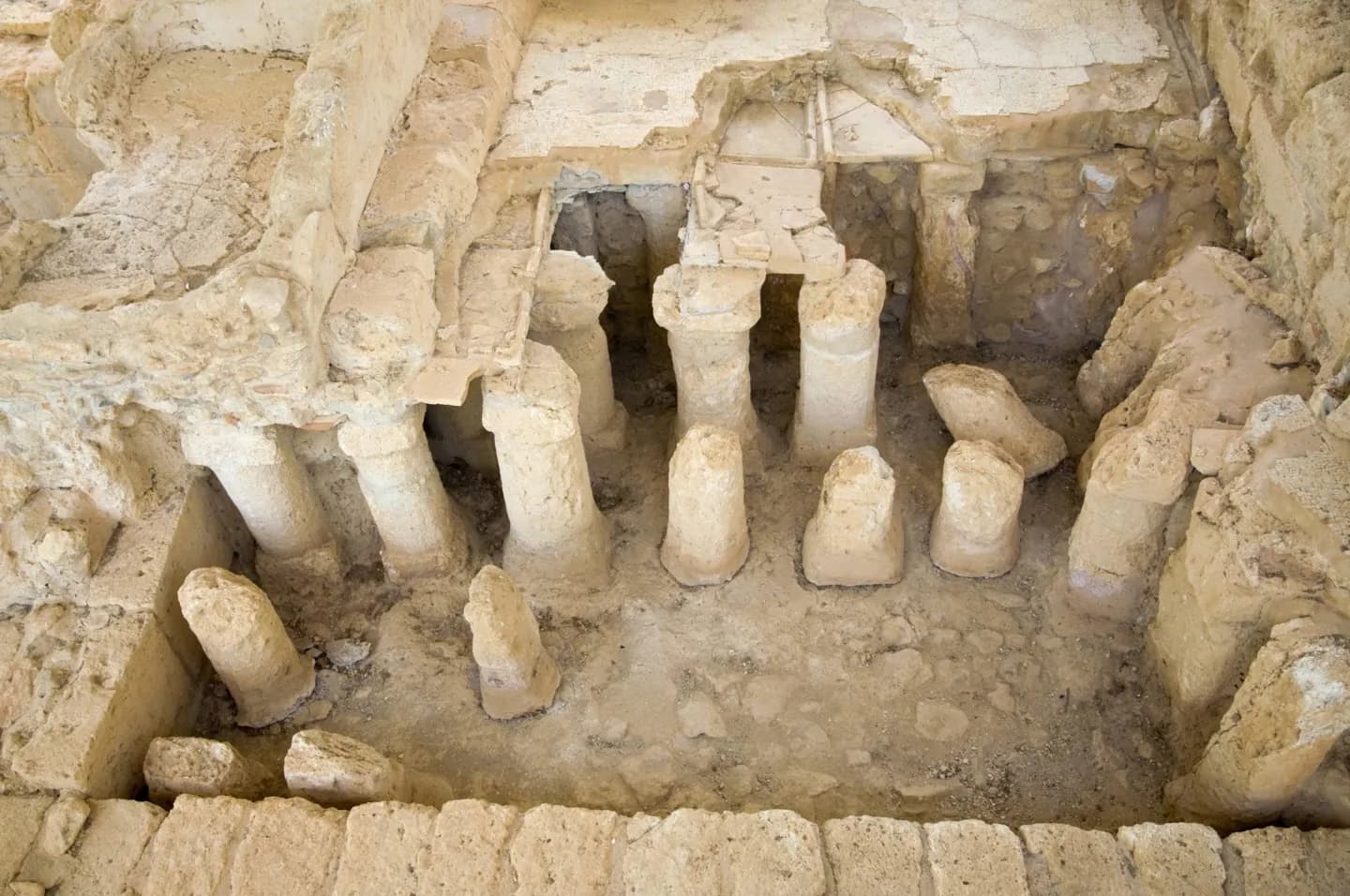
- Vaulted rooms formed a sequence from cooler to hotter bathing spaces.
- Domed hot rooms were heated from below.
- The bath stands within Ano Poli’s older street fabric.
The full story
The bath was built in the late twelfth or early thirteenth century in Thessaloniki’s Upper Town. Bathers moved from dressing rooms through warm spaces to hot rooms heated beneath the floor. The building was altered during centuries of use, including its Ottoman period, when it was known as the bath of the citadel. It remained in use until 1940, an unusually long life for a Byzantine structure. Restoration preserved the sequence of rooms, allowing the building to explain ordinary urban routines that the city’s better-known churches cannot show. The surviving rooms also show that bathing was an organized sequence rather than a single pool. Alterations for different users and periods changed the building without removing that basic logic. Seeing the bath alongside Upper Town churches gives a fuller picture of medieval Thessaloniki: public habits as well as sacred art and fortification.
Useful to know
- Confirm the current visitor timetable before climbing to the site.
- Combine it with nearby Ano Poli lanes and Hosios David.
Your next visit
Estimated · Declared scenario and planning estimates; no live opening, weather, queue or booking service.
Indoor visit · 30–45 min
World planning estimate; admission, opening, visit duration and access need checking.