
Why go
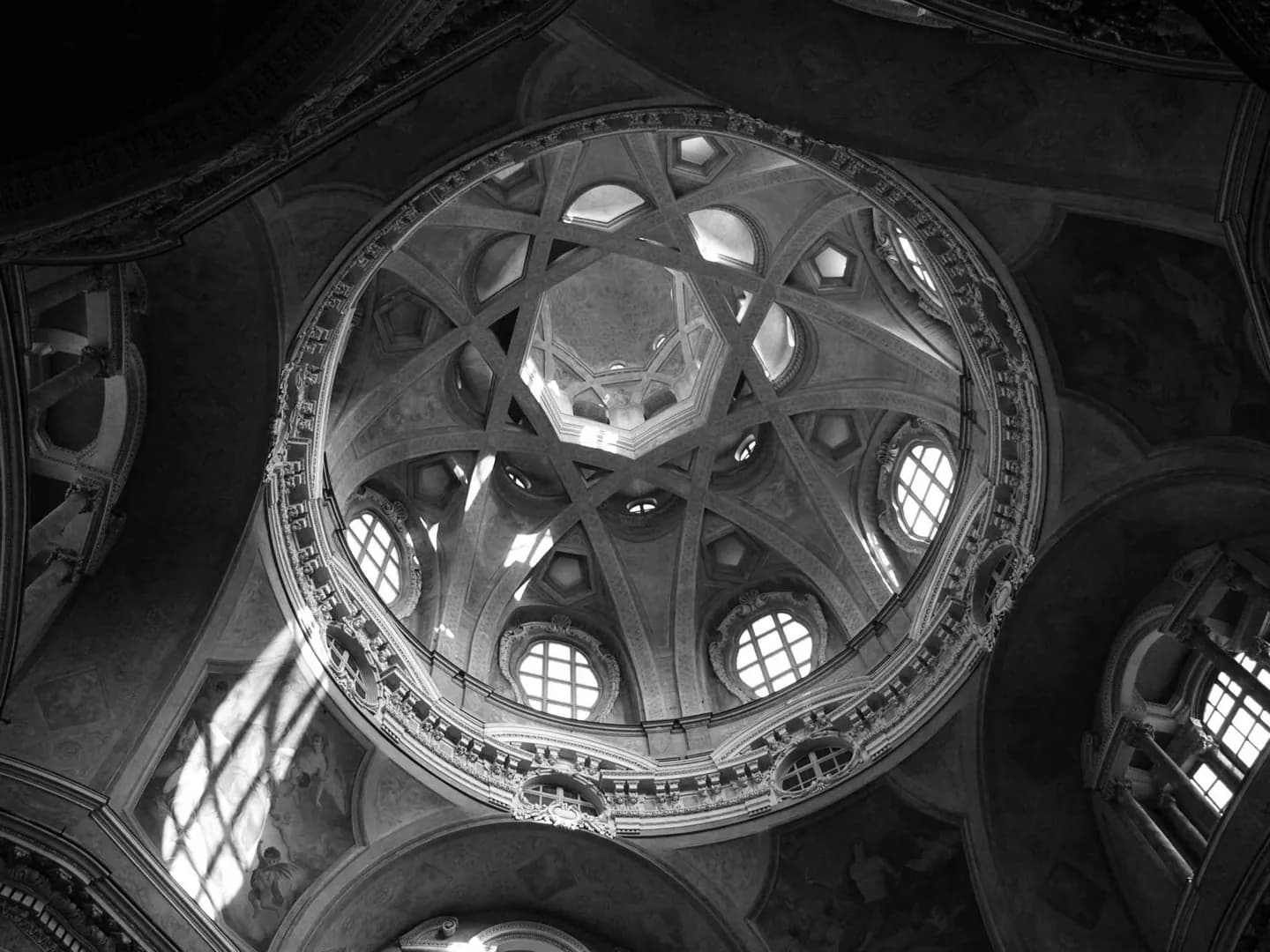
The cathedral gives the Shroud's story a real setting while separating three easily confused places: the church, the stored relic and Guarini's chapel. Its Renaissance fabric and earlier bell tower also offer a different architectural chapter from the Baroque royal buildings nearby. Piazza San Giovanni makes the contrast easy to see.
What to look for
- The Renaissance church stands beside an older bell tower.
- The cathedral faces Piazza San Giovanni, close to the Royal Museums complex.
- The Shroud is kept in a climate-controlled case and is ordinarily not visible.
The full story
The present cathedral was built at the end of the fifteenth century on a site with a much longer religious history. Its dedication to Saint John the Baptist recalls earlier churches here, while the surviving bell tower predates the Renaissance building. The result is quieter in form than the elaborate Savoy spaces nearby. Later, the Shroud made the cathedral central to a story that reaches beyond its architecture. Many believers identify the cloth as Jesus's burial shroud, a claim whose authenticity remains contested. The relic is now kept in a protected case and is not ordinarily visible to visitors. Guarino Guarini's chapel was built to house it, but that chapel is entered from the Royal Museums circuit. Knowing this distinction helps on the ground: the cathedral visit shows the church's own form and worship life, while the chapel explains the court's monumental setting for the relic.
Useful to know
- Treat the cathedral as a place of worship; sightseeing may pause during services.
- For Guarini's Shroud Chapel, use the Royal Museums entrance and plan a separate visit.
- Check the cathedral's official timetable before making a special trip.
Your next visit
Estimated · Declared scenario and planning estimates; no live opening, weather, queue or booking service.
Indoor visit · 30–45 min
World planning estimate; admission, opening, visit duration and access need checking.