Saved in this browser, on this device. Shared across the nine languages.
Loading your Myanmar…
From the Myanmar World / Itineraries
Myanmar's cities and towns
Compare Yangon's old capital streets, Mandalay's royal history and smaller towns such as Mawlamyine or Pyin U Lwin before deciding which urban regions fit your trip.
Why go
Yangon is a useful focus for colonial era streets and Shwedagon Pagoda. Mandalay leads into Upper Myanmar's royal and Buddhist history, while nearby Pyin U Lwin has a different hill station setting. Mawlamyine brings Mon State and the Thanlwin estuary into view; Bago and Twante offer distinct places closer to Yangon. These are alternatives across a wide country, not stops on one city walk.
Useful to know
Choose a regional base first; these towns are spread across separate parts of Myanmar.
The route, stop by stop
Times are planning estimates. Unknown visit durations start at an editable 30 minutes; access is checked separately.
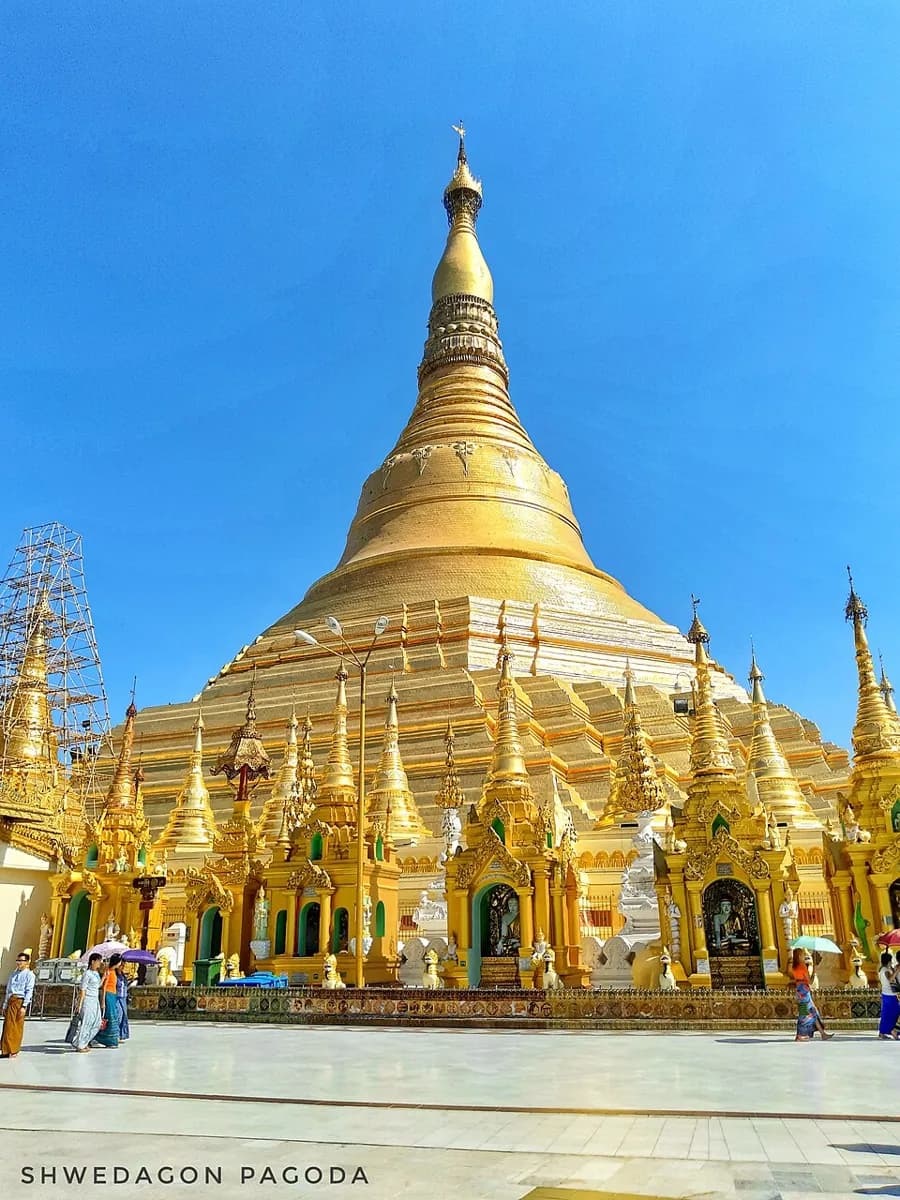
Shwedagon is Yangon’s great active Buddhist pilgrimage complex, centered on a gilded stupa above Singuttara Hill. Allow time to circle the open platform and watch worship continue around you.
Myanmar's planned capital offers a contrast with older centers such as Yangon and Mandalay: its defining story is the government's move to a new administrative city near Pyinmana.
Yangon brings together Shwedagon Pagoda and a substantial colonial era city center, making it a strong starting point for Myanmar's religious and urban history.
Bago is a historic city northeast of Yangon, historically called Hanthawaddy. Its Mon and Buddhist heritage offers a regional contrast to Yangon's larger urban setting.
Mawlamyine sits near the mouth of the Thanlwin River in Mon State, combining a former colonial capital's history with pagoda hills and an estuary setting.
West of Yangon, Twante is a township center shaped by its canal, pottery tradition and Shwesandaw Pagoda, offering a different view of the delta region.