
Why go
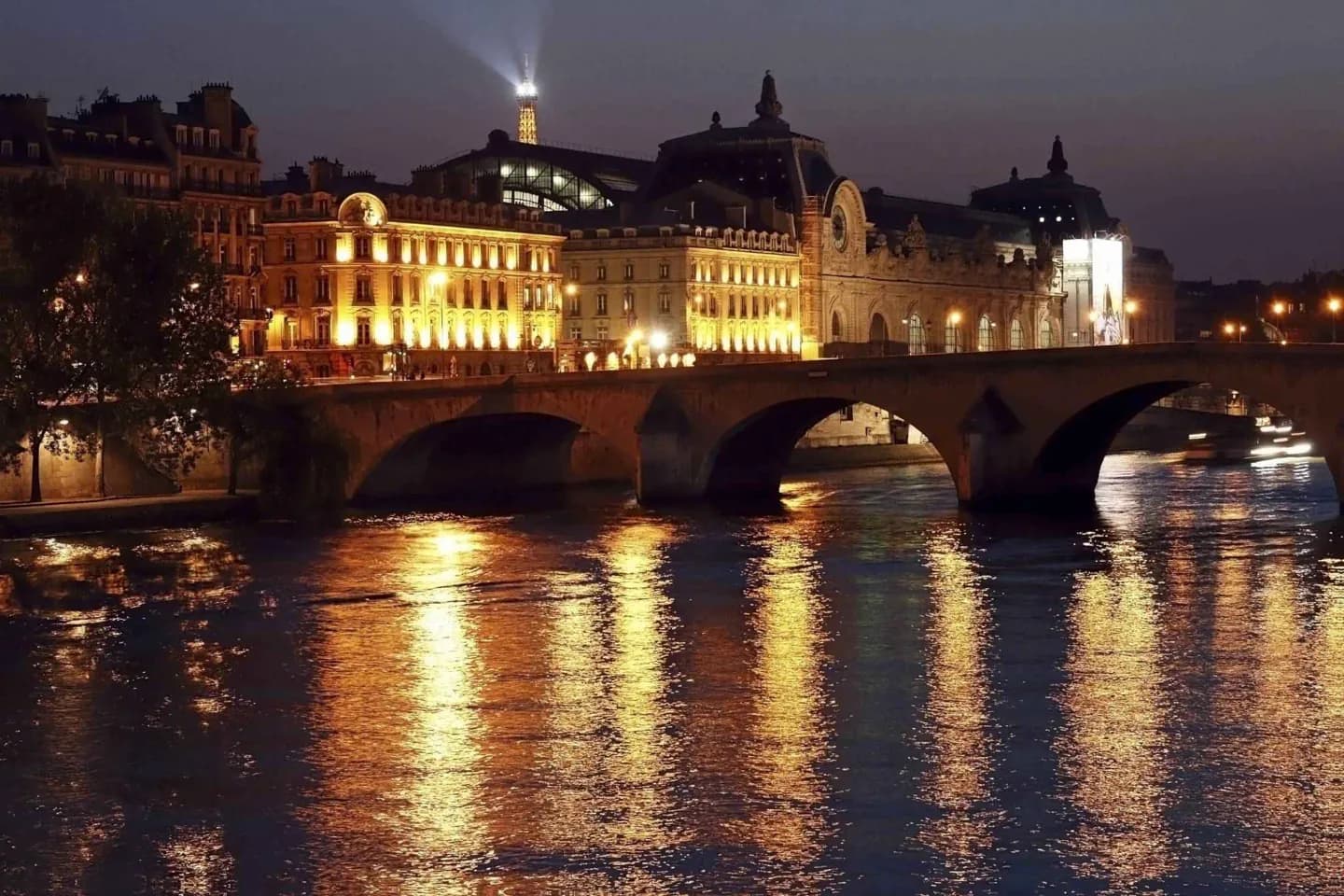
This is Paris's focused museum for the shift from academic painting to Impressionism and early modern art. The converted Gare d'Orsay is part of the visit: its vast former station hall gives the works a scale and setting unlike a conventional gallery. Allow enough time to move beyond the best-known paintings and notice the building itself.
What to look for
- The former Gare d'Orsay was built for the 1900 Exposition Universelle.
- Its collection spans 1848 to 1914, including major Impressionist-era art.
- The station's large interior turns the museum visit into an architectural one as well.
The full story
The museum began as the Gare d'Orsay, a station built for the Paris–Orléans railway and completed for the 1900 Exposition Universelle. It served trains to southwestern France until longer mainline trains outgrew its short platforms in 1939. The building then had several lives, including suburban rail use, a wartime mailing centre, a film location and a home for theatre and auctions. Plans in 1970 would have replaced it with a hotel, but the station was protected as a historic monument. France then chose it for a museum that would connect the Louvre's earlier art with the modern collections at the Pompidou Centre. A competition selected the architectural team ACT, and Gae Aulenti designed the interior. The museum opened in 1986. Knowing that sequence makes the station hall and its structure feel essential, rather than simply decorative, during a visit.
Useful to know
- Give the museum a substantial indoor block rather than adding it to a crowded Seine walk.
- Pair it with the Tuileries across the river for a contrast between 19th-century art and open air.
- Check the museum's official visitor information before choosing a date.
Your next visit
Estimated · Declared scenario and planning estimates; no live opening, weather, queue or booking service.
Indoor visit · 30–45 min
World planning estimate; admission, opening, visit duration and access need checking.