
Why go
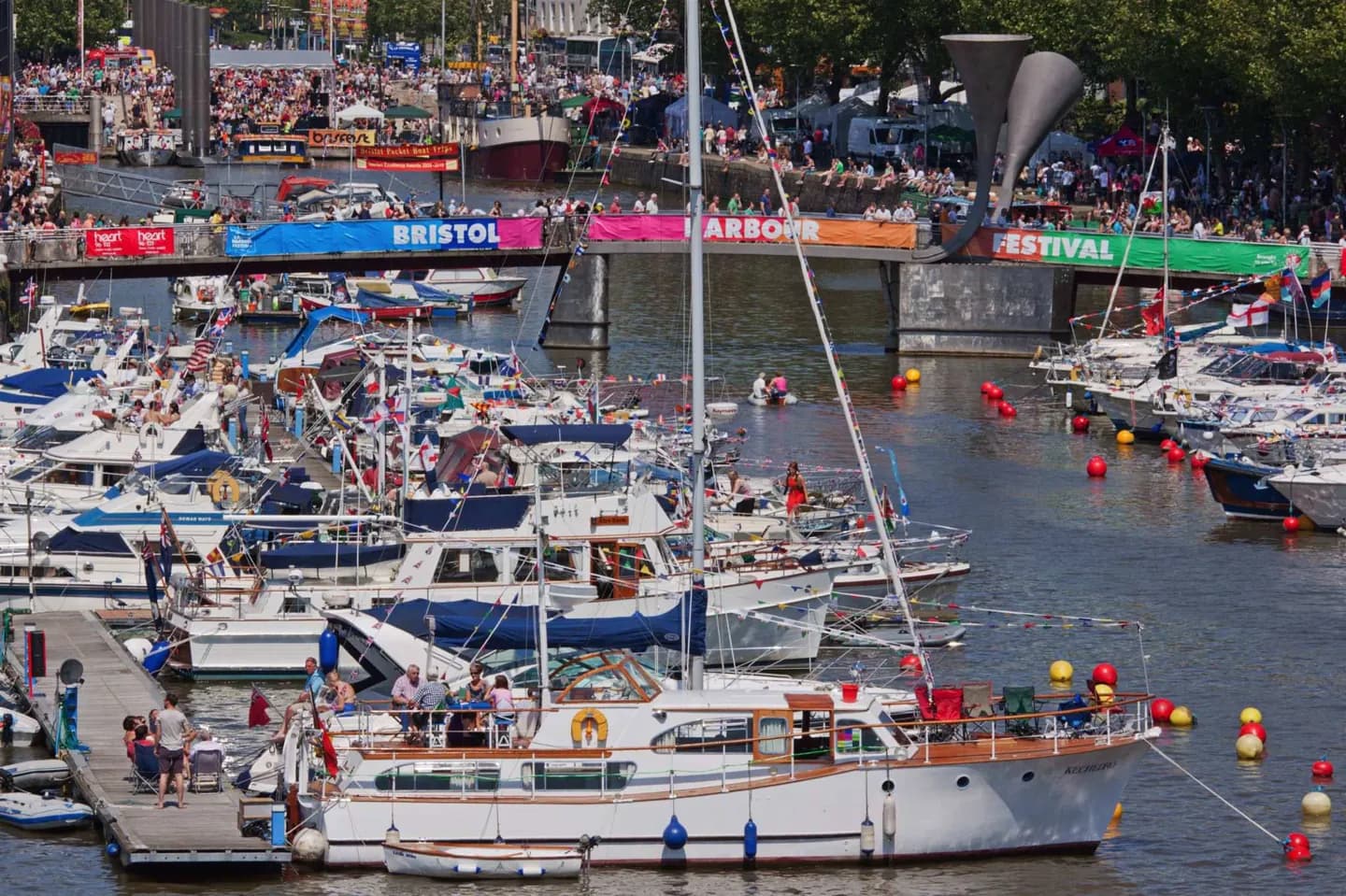
The harbour explains Bristol's shape. Nineteenth-century engineering held its water level steady while the tidal River Avon was diverted, allowing quays to keep working through the tide. Today warehouses and former industrial edges sit beside museums, galleries and boats, making the route as much about the city's changing use of its port as the water itself.
What to look for
- The Floating Harbour keeps a relatively steady water level despite the river's tide.
- Historic quays and warehouses trace the former port.
- Museums, galleries and moored boats give different reasons to pause.
Useful to know
- Choose one waterfront stretch and a venue or boat as an anchor.
- Allow extra time for detours around basin edges and bridges.
- Check individual venue or boat access separately; the harbour has no single opening schedule.
Your next visit
Estimated · Declared scenario and planning estimates; no live opening, weather, queue or booking service.
Outdoor visit · 30–45 min
World planning estimate; admission, opening, visit duration and access need checking.