
Why go
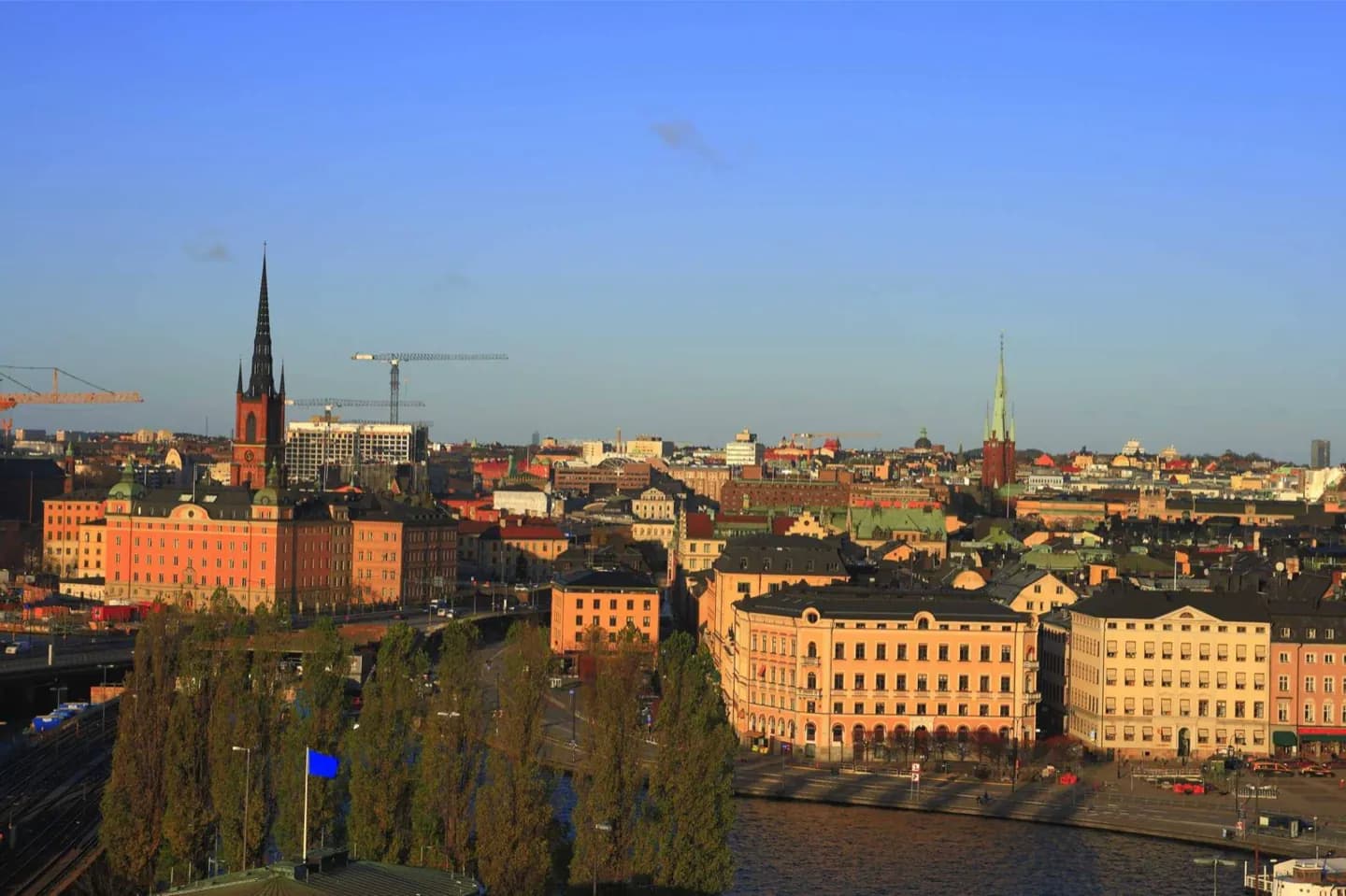
Walk here to understand how Stockholm grew between Lake Mälaren and the Baltic. The short distances connect Stortorget, Stockholm Cathedral, the Royal Palace and quieter side lanes, so the district works as both a historical visit and the backbone of a larger central-city day.
What to look for
- The narrow cobbled lanes branching away from the main shopping streets.
- Sixteenth- and seventeenth-century facades layered over a medieval street plan.
- Waterfront exits that reveal how closely the old city is tied to surrounding islands.
The full story
Gamla Stan occupies Stadsholmen, the island where Stockholm’s medieval settlement took shape in the thirteenth century. Its Swedish name means the Old Town; an earlier official name, Staden mellan broarna, described it as the town between the bridges. That geography still explains the experience. Lanes climb and narrow between waterfronts, while squares open abruptly inside the dense street plan. North German building traditions influenced the district, and later centuries added merchant houses, churches, state institutions and royal spaces without erasing the medieval framework. Stortorget remains the historic center, but the strongest sense of the old city often comes from moving between the principal streets and the smaller passages around them. Read the district as accumulated layers rather than a preserved scene from one date.
Useful to know
- Allow at least two hours and wear shoes suited to uneven cobbles.
- Start early for calmer lanes, then continue toward the palace or ferry connections.
Your next visit
Estimated · Declared scenario and planning estimates; no live opening, weather, queue or booking service.
Outdoor visit · 10–15 min
Public-space walk and exterior observation only; no interior, garden, tower or ticketed admission included. Durations and walking are estimates. Check temporary restrictions and park or market opening times.
Outdoor visit · 30–45 min
World planning estimate; admission, opening, visit duration and access need checking.