
Why go
Period instruments give musical Venice a physical form, beyond composer names or an evening performance. Displays relating to Vivaldi sit alongside material about instrument makers, making this a useful stop for anyone curious about how music was produced. The Neoclassical church setting adds an architectural contrast to the nearby Baroque façades.
What to look for
- Period instruments occupy the deconsecrated church.
- The collection includes displays relating to Antonio Vivaldi.
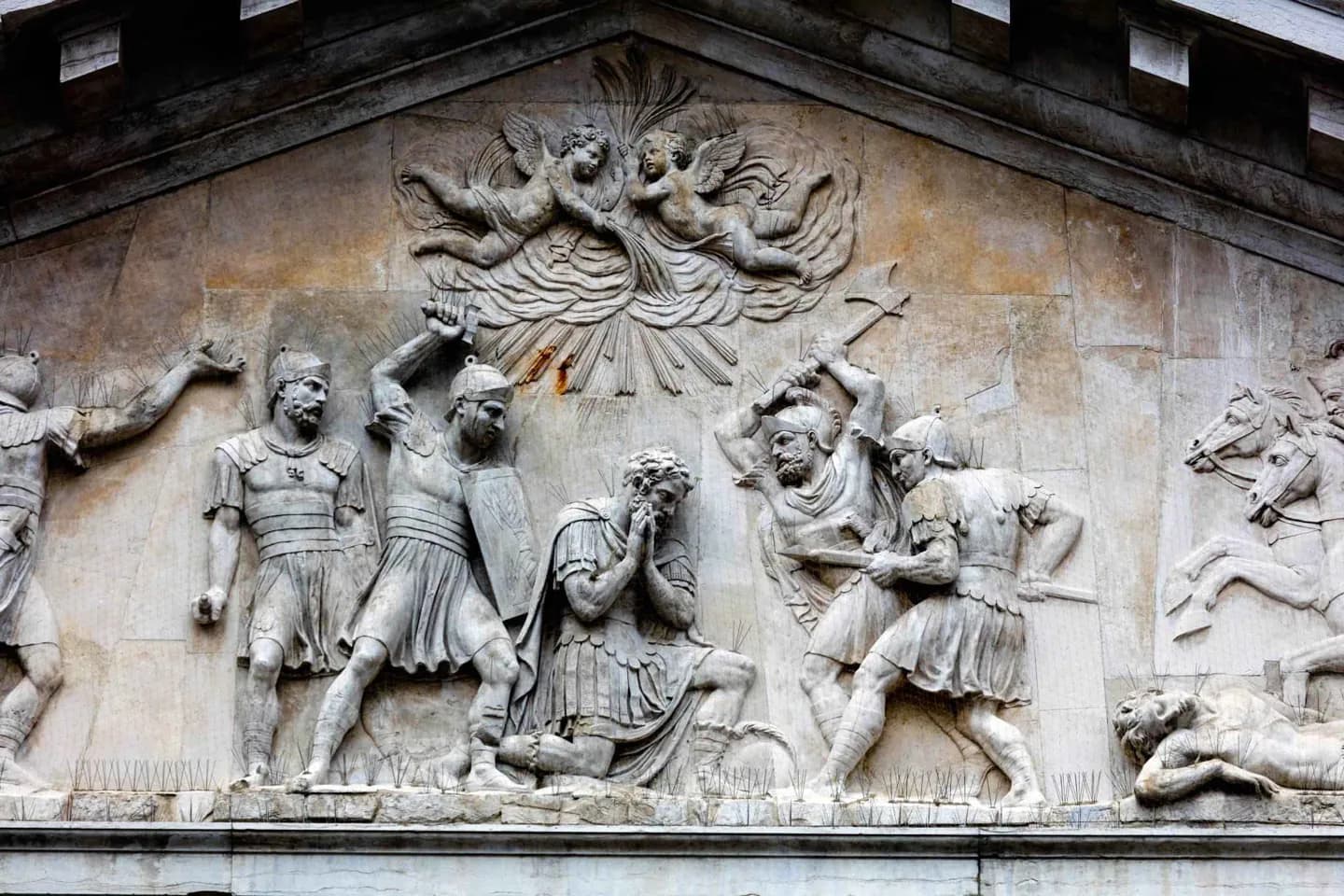
- The church's present form reflects Giovanni Antonio Selva's Neoclassical design.
The full story
San Maurizio's present museum use follows several changes in the church itself. Earlier buildings on the site were reconstructed, and the final major rebuilding gave it a Neoclassical form. Its association with a studio used by the young Antonio Canova adds sculpture to a place now devoted to music. The collection connects composers with the craft that made their work playable. Alongside Vivaldi, it presents material about makers including Amati, Guadagnini and the Goffriller family. These names direct attention away from music as an abstract Venetian tradition and toward the construction of individual instruments. That emphasis distinguishes the museum from a theatre visit. A performance presents sound and interpretation; here the objects and documents illuminate the tools and skills behind them. The former religious interior has become a setting for understanding one part of the city's artistic working life.
Useful to know
- Visit the instrument collection as a daytime counterpart to an evening of music at La Fenice.
- Add San Maurizio to a walk through the neighbouring San Marco campi.
Your next visit
Estimated · Declared scenario and planning estimates; no live opening, weather, queue or booking service.
Indoor visit · 30–60 min
World planning estimate; admission, opening, visit duration and access need checking.