
Why go
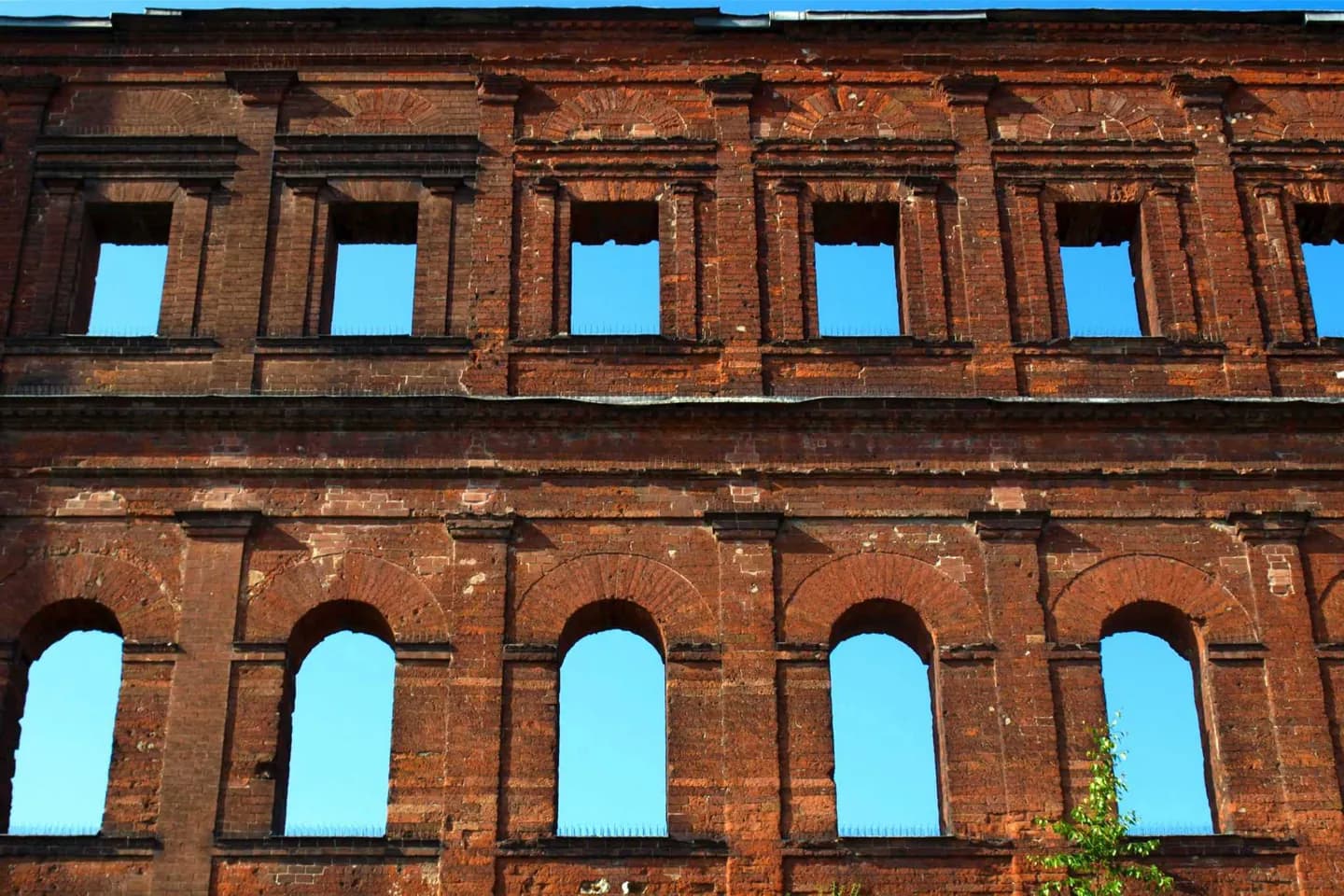
Stand in the archaeological area to see a substantial fragment of Augusta Taurinorum at street level. The larger central arches carried wheeled traffic, while the narrower side passages served people on foot. From here, the line of the old northern wall becomes much more concrete.
What to look for
- Two sixteen-sided towers flank the gate.
- The four passage arches separate wider central routes from narrower side openings.
- Nearby remains help place the gate within the Roman city edge.
The full story
The gate formed part of the northern wall of the Roman city of Augusta Taurinorum. Its surviving towers and central passage show the scale of the settlement more vividly than a street name or map can. Two broad middle arches accommodated vehicles, and the smaller arches to either side served pedestrians. The polygonal towers and upper windows gave the entrance an imposing profile. Remains around the gate help reveal how it related to the wall and its approaches. Over time, the structure acquired several names and underwent restorations, so today’s setting is not an untouched Roman street scene. Still, the ancient fabric anchors the old city’s northern edge. Look back toward the central streets to understand how the regular urban grid met a controlled entrance rather than simply fading into open ground.
Useful to know
- View the structure from the public archaeological area; do not assume the ancient towers are open inside.
- Combine it with the cathedral area or the Porta Palazzo market district nearby.
Your next visit
Estimated · Declared scenario and planning estimates; no live opening, weather, queue or booking service.
Outdoor visit · 30–45 min
World planning estimate; admission, opening, visit duration and access need checking.