
Why go
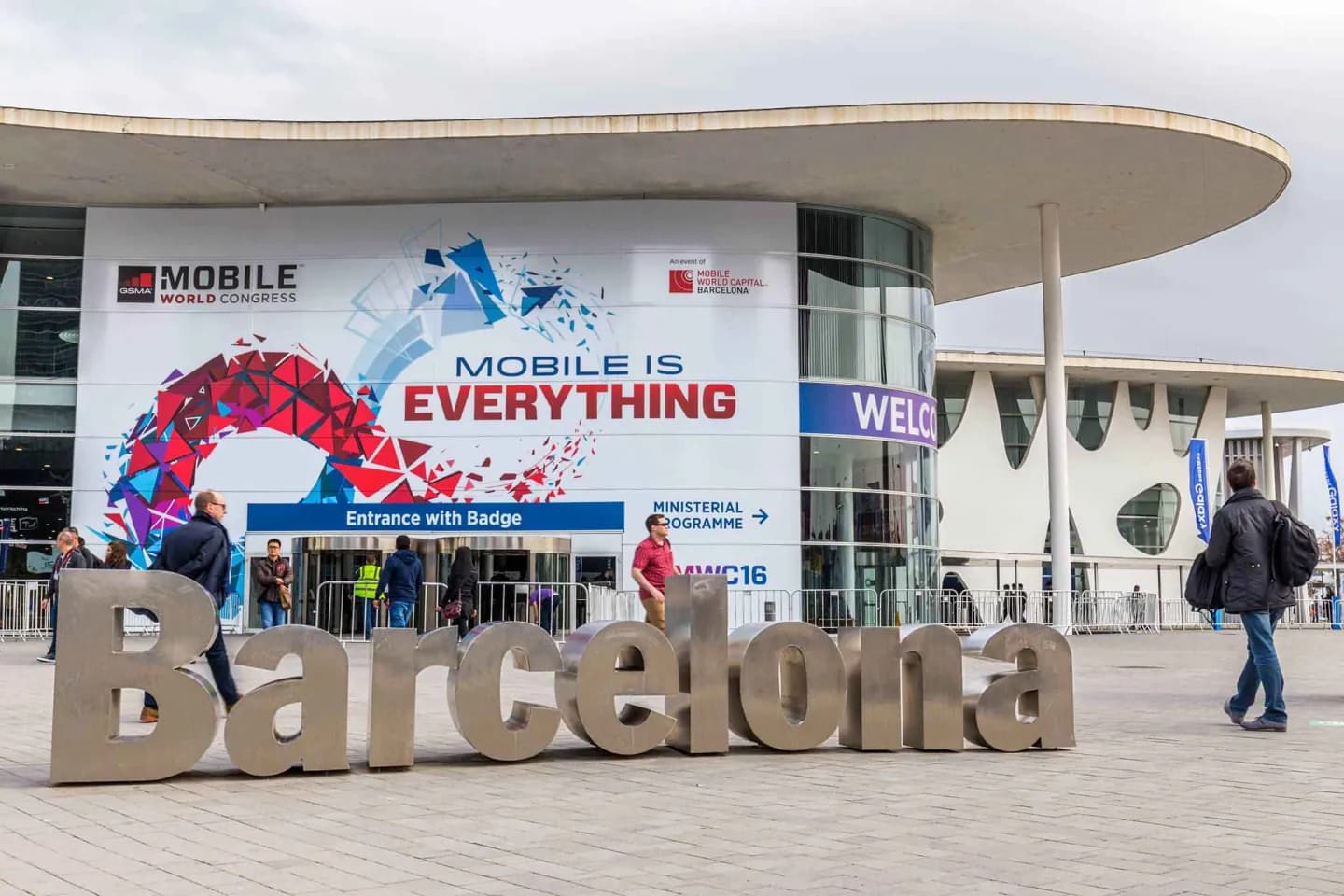
Look for that history while moving between the waterfront, Poblenou and the major exhibition areas. The port links the city to Mediterranean trade, while former factory districts and large event venues show how manufacturing and commerce shaped later growth. Those contrasts are visible without entering a museum.
The full story
Barcelona has a long mercantile history tied to its Mediterranean position. Industrialisation brought textile production and machinery into the city and its surrounding region, leaving a mark on neighbourhoods that later changed use. The port remains a useful landmark for understanding those connections, even when a visitor is walking through public waterfront spaces rather than working docks. Trade fairs and exhibitions form another strand of the city’s economy. The 1888 Universal Exposition and the 1929 International Exposition also left urban and architectural legacies that can still frame a visit. In Poblenou, the contrast between industrial history and more recent development is especially visible. Taken together, these places explain why Barcelona’s built landscape is more than a collection of medieval streets and modernista monuments. Follow those visible layers from the waterfront toward Poblenou to connect the commercial port with the city’s later industrial and cultural growth.