
Why go
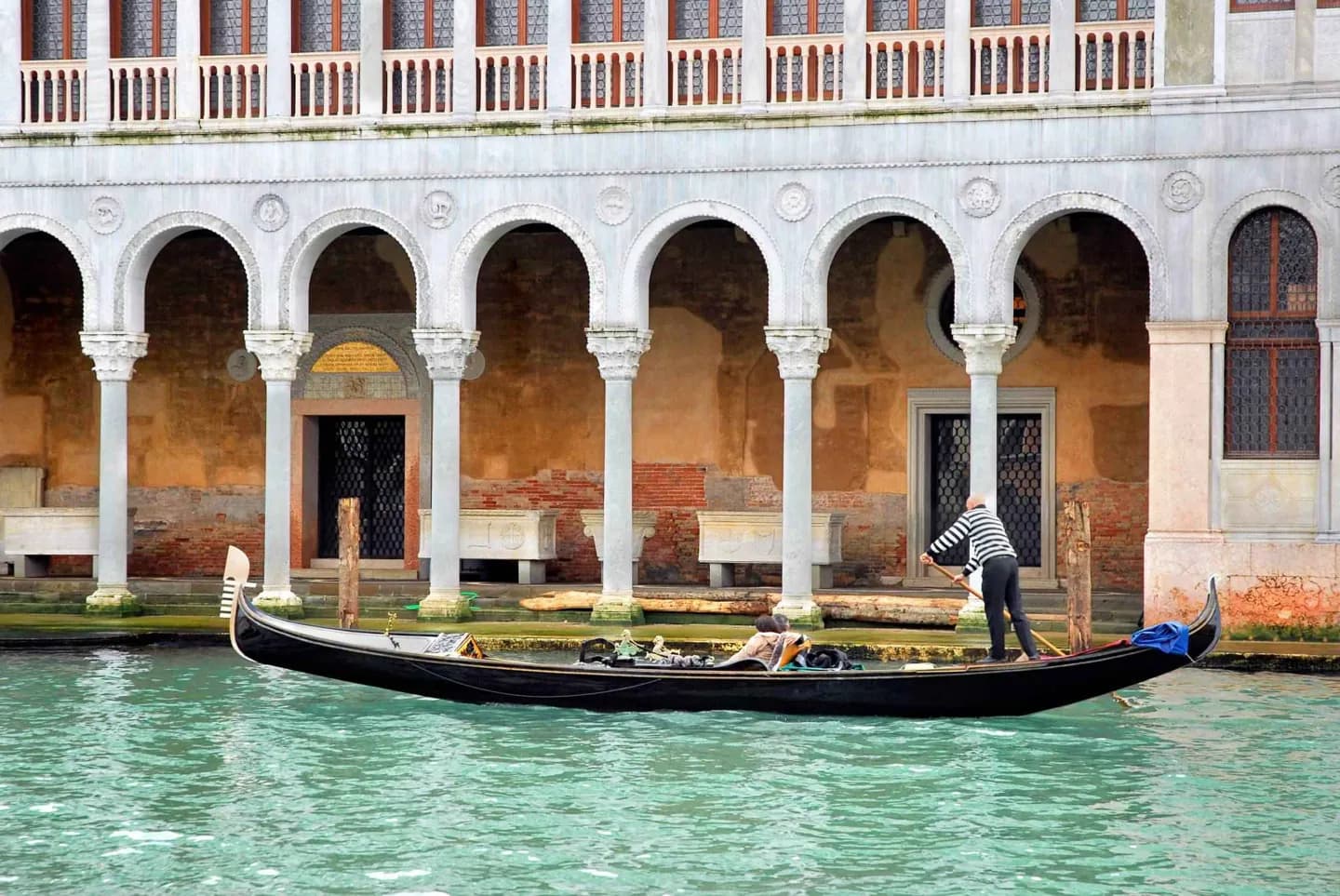
The long arcaded frontage offers a clear example of Venice's Veneto-Byzantine architectural language. Its later role as a residence and warehouse for Ottoman traders adds another layer to the canal view. The Natural History Museum gives the building a different visitor focus from the art collections in many Venetian palaces.
What to look for
- Two tiers of canal-facing arches form the double loggia.
- Corner towers frame the long façade.
The full story
Built in the first half of the thirteenth century, the palace initially served elite residents and visiting dignitaries. The Venetian Republic acquired it for the marquess of Ferrara in 1381. Its later identity reflects a different kind of hospitality: from the early seventeenth century, Ottoman merchants used it as a combined home, warehouse and trading place. That accommodation came with restrictions on movement and business. Wool, wax and oil were among the goods brought into Venice through this community. The building represents the Republic's combination of international trade and close control over foreign residents. Ottoman traders remained here beyond the Republic's fall in 1797, until 1838. A major nineteenth-century restoration reshaped the deteriorated palace. The corner towers were additions to the older design, a useful distinction when reading the apparently medieval frontage. Museum use followed: the Correr collections occupied the building before its adoption by the Natural History Museum.
Useful to know
- Separate time for the canal façade from the museum visit.
- Check the Natural History Museum visit page before planning an interior stop.
Your next visit
Estimated · Declared scenario and planning estimates; no live opening, weather, queue or booking service.
Indoor visit · 45–75 min
World planning estimate; admission, opening, visit duration and access need checking.