
Why go
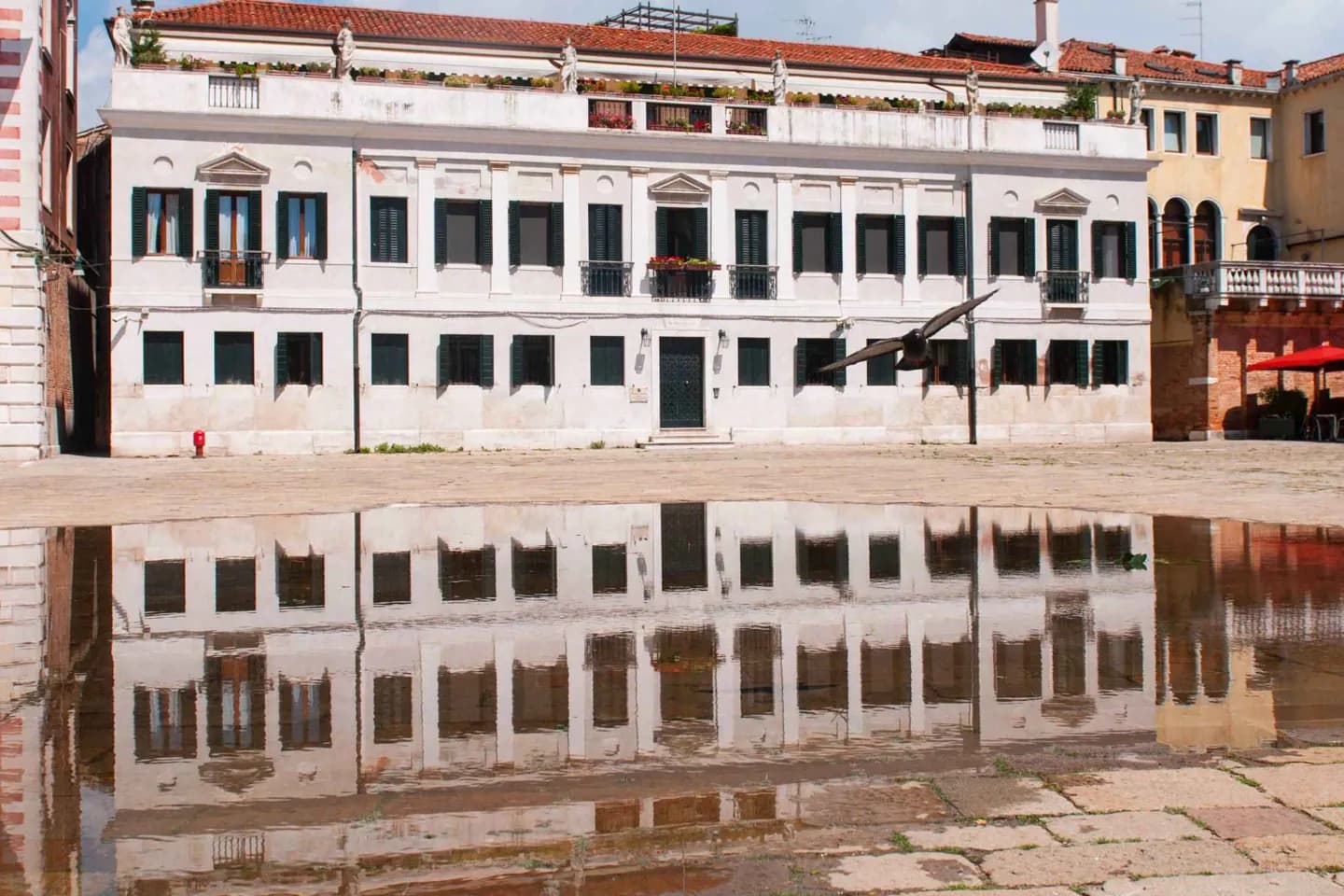
The palace adds a residential counterpart to Campo San Polo's church and civic space. Its Donà name recalls one of Venice's patrician families, while Brusa connects it to a composer who worked with Goldoni. That combination gives the building a cultural identity beyond its place in the surrounding Gothic architecture.
What to look for
- A Gothic palace frontage overlooks Campo San Polo.
- The palace includes a courtyard and piano nobile rooms.
The full story
The palace takes its first name from the Donà family, whose members included three doges. Their residence on Campo San Polo places patrician history in a neighborhood setting, away from the Republic's principal governmental buildings. The name is shared by several palaces in Venice, making the additional Brusa name useful for identifying this one. Giovanni Francesco Brusa, a composer and collaborator of Carlo Goldoni, lived here. That association connects the residence to the city's theatrical culture as well as to its governing families. It gives the palace a second history to consider while looking at its position on the square. The building's principal formal floor has also supplied space for exhibition use. In a palace, these reception rooms expressed the status of the house. Later cultural activity brings a different purpose to domestic architecture. The exterior remains part of the campo's permanent frame even as the uses of rooms behind it change.
Useful to know
- View the frontage while walking around Campo San Polo.
- Check the venue programme before planning to see rooms or an exhibition.
Your next visit
Estimated · Declared scenario and planning estimates; no live opening, weather, queue or booking service.
Outdoor visit · 15–25 min
World planning estimate; admission, opening, visit duration and access need checking.