
Why go
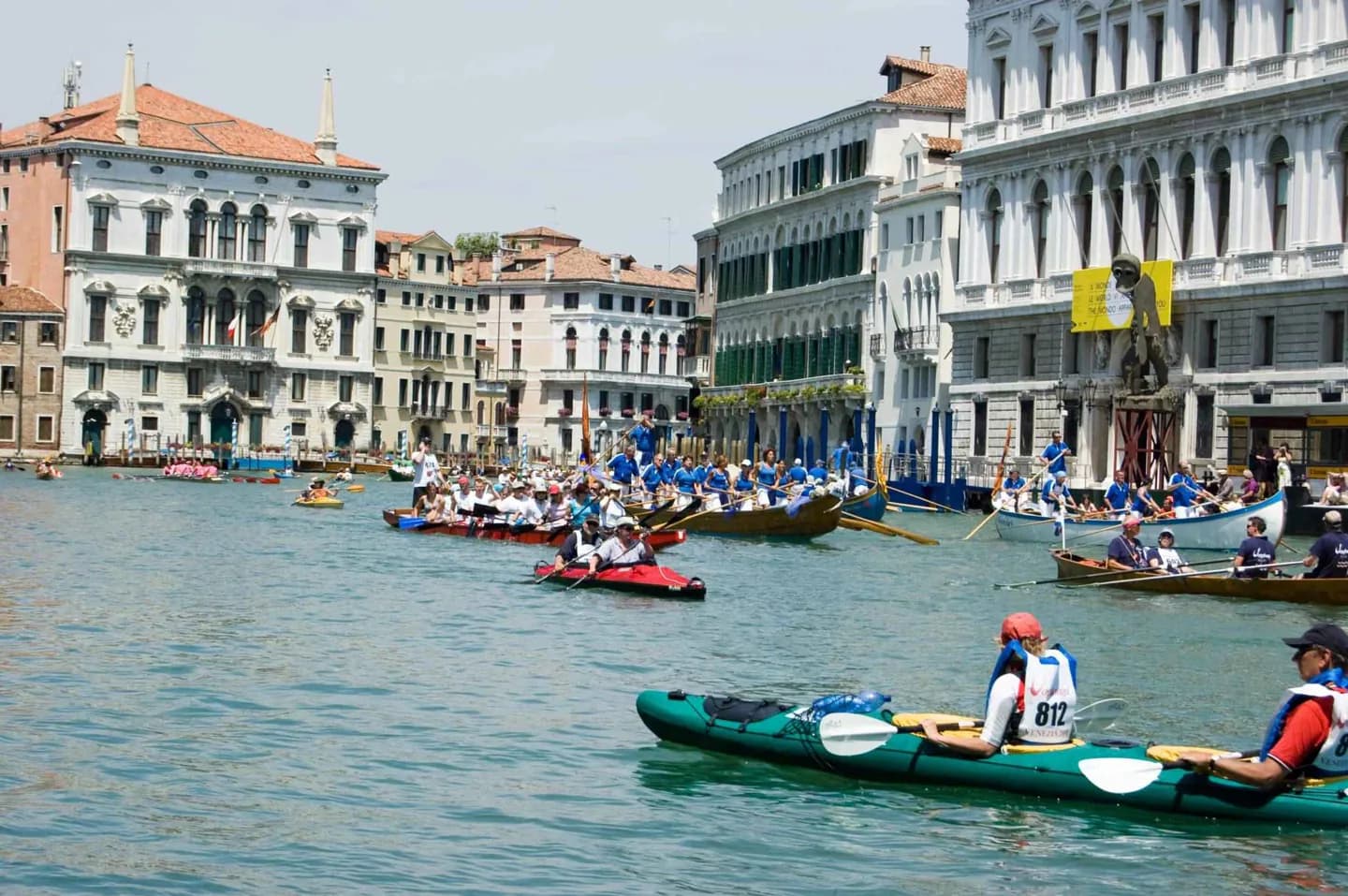
The building creates a useful contrast with Venice's medieval palaces and historical art museums. Giorgio Massari's restrained classical design supplies the architectural setting, while the Pinault Collection venue brings contemporary work into that older structure. Its position by Campo San Samuele also makes the palace easy to relate to the surrounding canal frontage.
What to look for
- The formal white-marble façade follows a classical design.
- The façade lacks the lower mercantile openings typical of many older Venetian palaces.
The full story
Giorgio Massari designed Palazzo Grassi in the eighteenth century, when much of the Grand Canal's palace architecture was already established. Completed during the period from 1748 to 1772, it brought a formal classical composition to a frontage shaped by older Venetian styles. Many patrician palaces combined residence and commerce, with lower openings serving the movement of goods from the water. Palazzo Grassi's more formal treatment breaks from that pattern. The building helps show how palace design could change as the priorities of elite residence shifted. Later ownership transformed the house into a venue for visual art. A major restoration under Fiat in the 1980s established its exhibition role, and it subsequently became the Pinault Collection's first Venice venue. The resulting experience combines two histories: an eighteenth-century statement of architectural order and a modern use for temporary contemporary-art exhibitions. The relationship between the palace and its later cultural purpose gives the visit its particular character.
Useful to know
- Read the current exhibition description before choosing Palazzo Grassi for an art visit.
- Include neighboring Palazzo Malipiero in a look at the San Samuele canal frontage.
Your next visit
Estimated · Declared scenario and planning estimates; no live opening, weather, queue or booking service.
Indoor visit · 45–90 min
World planning estimate; admission, opening, visit duration and access need checking.