
Why go
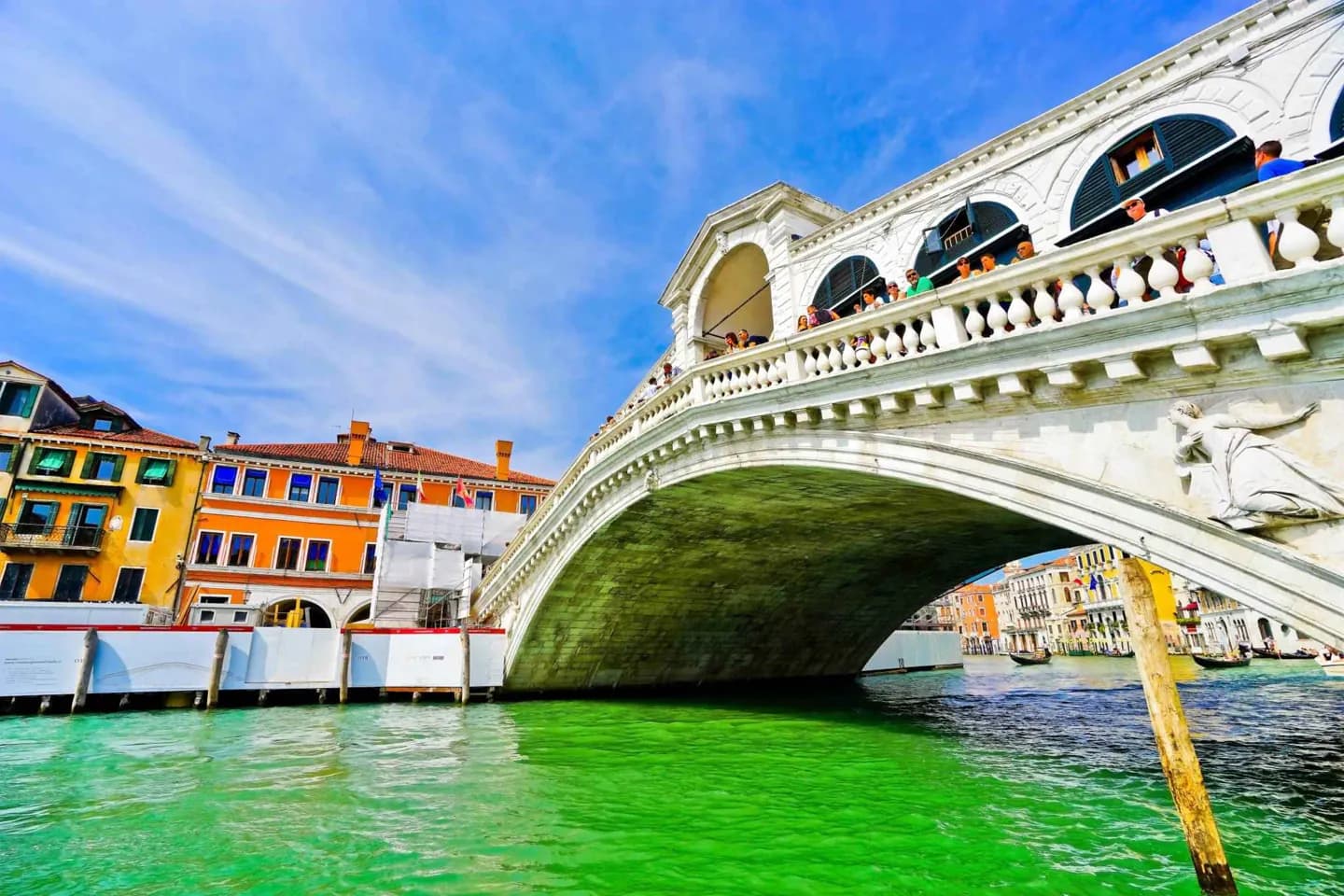
The area explains the financial machinery behind Venice's maritime wealth. Markets stood alongside warehouses, banks, insurance businesses and tax offices, making Rialto a place where goods and credit met. San Giacomo di Rialto and the rebuilt commercial blocks help give that history a physical setting beyond the bridge's familiar outline.
What to look for
- Campo della Pescheria identifies the fish-market setting.
- San Giacomo di Rialto stands beside the commercial quarter.
- The Fabbriche buildings reflect rebuilding of Rialto's trading centre.
The full story
Rialto's name derives from Rivoaltus, or high bank, recalling early settlement around the waterway that became the Grand Canal. The market's move here in 1097 strengthened the area's commercial importance. A crossing followed, improving the connection between trade on land and movement across the canal. Commerce expanded beyond buying and selling produce. Warehouses, luxury shops, banks, insurers and tax offices clustered around the market. Across the water, the Fondaco dei Tedeschi accommodated foreign merchants and their goods. Together these places show how Venice linked local retail activity to a much wider trading network. A sixteenth-century fire destroyed much of the district, and rebuilding produced the commercial blocks known as the Fabbriche Vecchie and Fabbriche Nuove. Their presence helps explain why the market setting has a different architectural rhythm from a frontage of individual patrician palaces. Shakespeare's repeated question about news on the Rialto draws on this identity: information circulated here with money and merchandise.
Useful to know
- Continue from the bridge into the market-side lanes and squares.
- Include San Giacomo di Rialto to connect the commercial district with its historic church.
Your next visit
Estimated · Declared scenario and planning estimates; no live opening, weather, queue or booking service.
Outdoor visit · 30–60 min
World planning estimate; admission, opening, visit duration and access need checking.