
Why go
The collection makes Amsterdam’s history tangible through civic art, archaeological finds and unusual objects from local institutions and street life. It is especially useful for understanding how the city changed from the Middle Ages to the modern era through periods of trade, government and social experiment.
What to look for
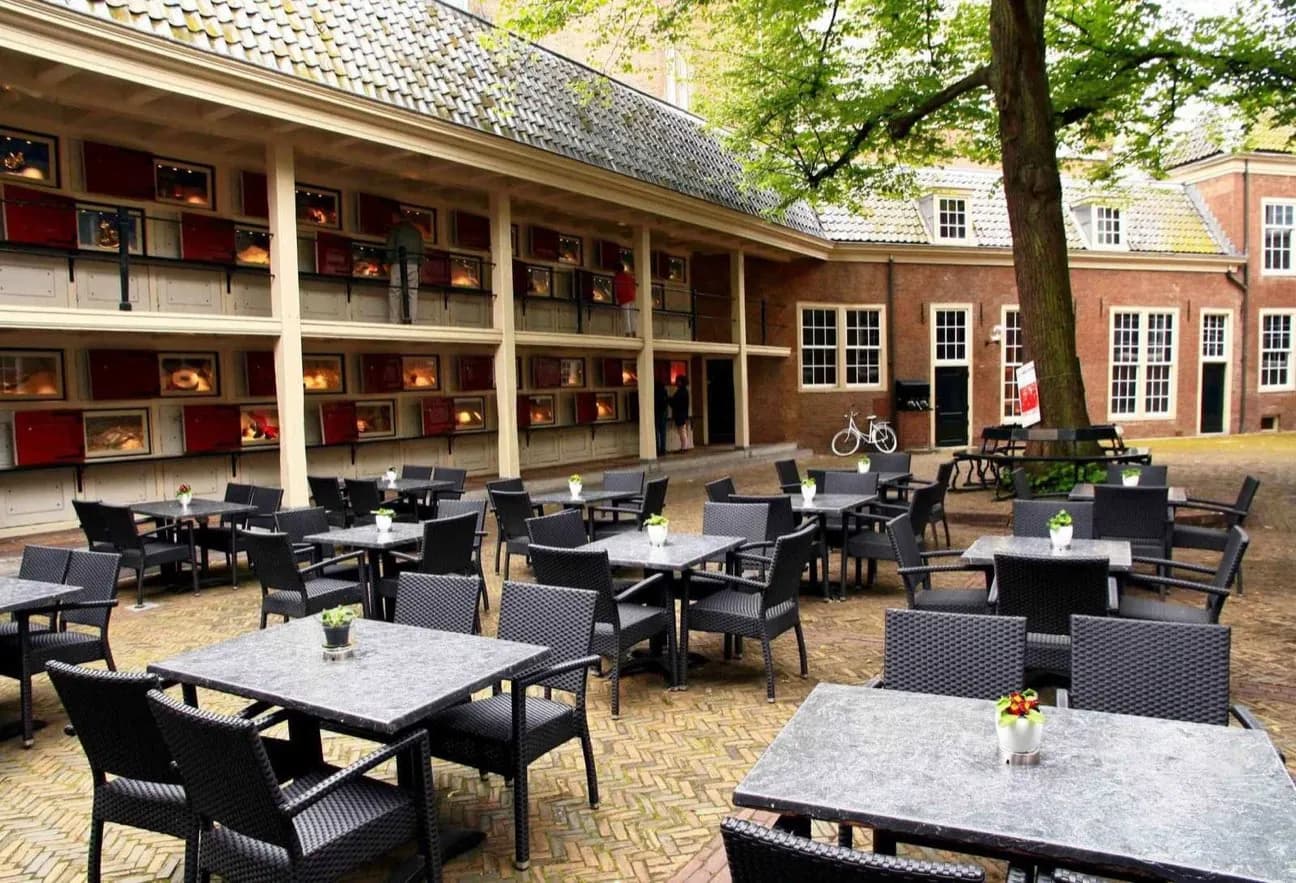
- Objects from the former municipal orphanage connect the collection to the museum’s historic home.
- A Witkar recalls Amsterdam’s experimental electric transport of the 1960s.
- Paintings, models, photographs and archaeological finds build a layered city portrait.
Useful to know
- Check the official visit page before setting out, as the museum’s locations and access arrangements are changing.
- Plan this as a city-history visit rather than an exterior stop at the former Kalverstraat building.
Your next visit
Estimated · Declared scenario and planning estimates; no live opening, weather, queue or booking service.
Outdoor visit · 30–45 min
World planning estimate; admission, opening, visit duration and access need checking.