
Why go
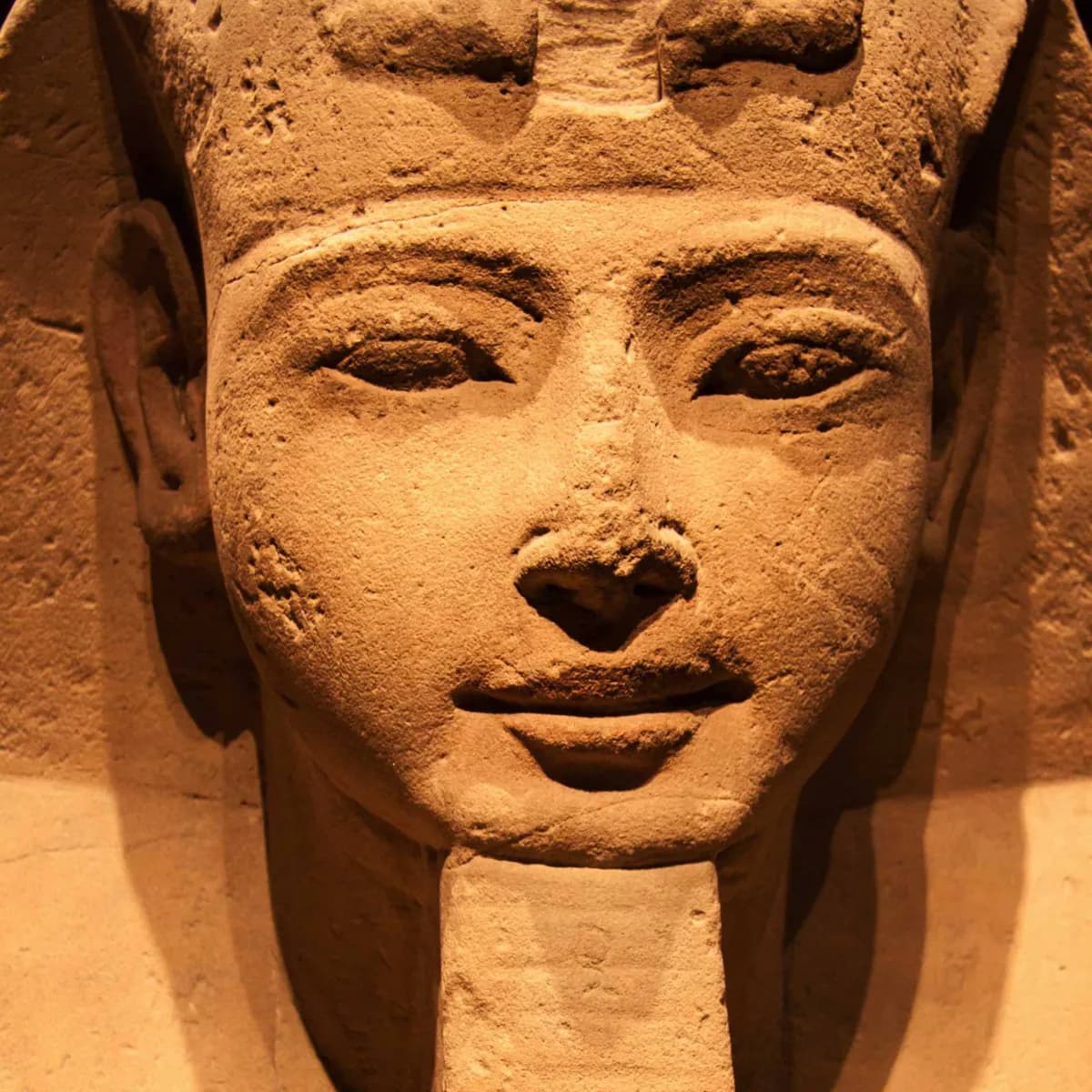
The collection makes ancient Egyptian lives and beliefs tangible through objects of very different scales. Move from the monumental statues in the Gallery of Kings to written records and the contents of a carefully excavated tomb. Turin’s history of collecting and Egyptology adds another layer to what you see.
What to look for
- Monumental statues fill the Gallery of Kings.
- Papyri show the importance of written records in the collection.
- Objects from the tomb of Kha and Merit preserve an unusually detailed personal context.
The full story
Turin’s Egyptian collection grew through several distinct phases. Eighteenth-century collecting gave it an early nucleus, and the Savoy purchase of Bernardino Drovetti’s large collection in 1824 transformed its scale. That same period brought Jean-François Champollion to Turin to study papyri while work on hieroglyphs was advancing. Later excavations led by Ernesto Schiaparelli added objects with archaeological context, including the remarkably complete tomb of Kha and Merit. These origins matter as you move through the museum. Monumental statues, manuscripts and personal possessions answer different questions: how rulers projected power, how writing worked, and how individuals prepared for the afterlife. The gallery is also a record of changing European approaches to collecting and studying Egypt. Spend time with individual groups of objects rather than judging the museum only by the size of its holdings.
Useful to know
- Set aside a substantial museum visit rather than treating it as a pass-through on a centre walk.
- Check the museum’s current ticket and entry arrangements before travelling.
Your next visit
Estimated · Declared scenario and planning estimates; no live opening, weather, queue or booking service.
Indoor visit · 30–45 min
World planning estimate; admission, opening, visit duration and access need checking.