
Why go
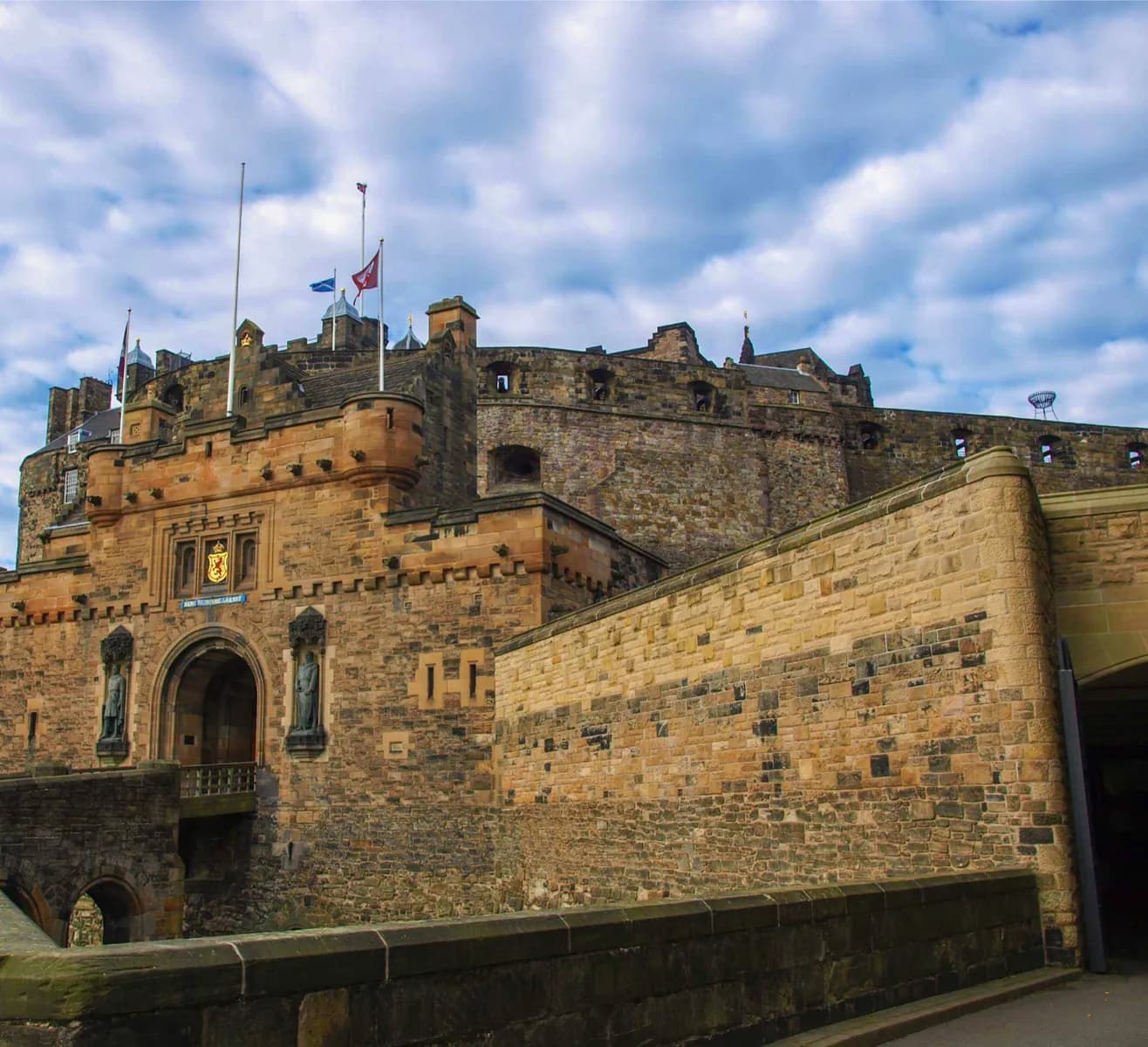
The rock explains the castle before you enter: cliffs protected several sides, leaving the approach from the Royal Mile as the main route to defend. Inside, the rising sequence of wards, gates and batteries shows how the fortress worked. St Margaret’s Chapel adds a small surviving piece of its medieval royal past.
What to look for
- The volcanic rock gives the castle its naturally defended position above the Old Town.
- Successive wards and gates step up towards the summit.
- St Margaret’s Chapel survives from the castle’s twelfth-century royal history.
The full story
A royal castle stood here by the reign of David I in the twelfth century, although people had occupied Castle Rock much earlier. Its commanding position made it both a residence and a fortress. The Wars of Scottish Independence and later conflicts repeatedly brought siege warfare to the site, and the buildings reflect centuries of rebuilding rather than one intact medieval design. The castle remained a royal residence until the Union of the Crowns in 1603. From the later seventeenth century its military role became more prominent, with a large garrison based here. Restoration in the nineteenth century also shaped the monument seen today. The entrance gatehouse, for example, dates from 1888, while the road climbing towards the Portcullis Gate originated in the fifteenth century as a route for moving cannon. Looking at gates and routes together helps distinguish ceremonial presentation from the practical demands of defending the rock.
Useful to know
- Approach from the Castlehill end of the Royal Mile and expect the route through the wards to climb.
- Include St Margaret’s Chapel within the castle visit rather than planning it as a separate admission.
Your next visit
Estimated · Declared scenario and planning estimates; no live opening, weather, queue or booking service.
Outdoor visit · 90–150 min
World planning estimate; admission, opening, visit duration and access need checking.