
Why go
Its collections bring the Republic's history down to objects: ship models and navigational instruments explain maritime work, while paintings and sculpture broaden the picture beyond government. The palace rooms add a different layer, showing how San Marco's ceremonial setting continued to change after the Republic ended.
What to look for
- Canova's works appear in the Napoleonic Gallery's ceremonial rooms.
- Wooden ship models and navigational instruments illuminate the Arsenal's work.
- The monumental staircase rises from the Ala Napoleonica entrance.
The full story
The museum began with Teodoro Correr's collection, assembled as Venice adjusted to life after the Republic. Noble families were selling art and possessions, and many works left the city. Correr devoted his resources to gathering paintings, documents and objects that could preserve a broad record of Venetian life. His bequest included funds for conservation and a clear intention that the material should be available to the public. Later donations expanded this personal collection into a civic one. Its move to San Marco placed Venetian history within a former palace setting, bringing together objects from the Republic and rooms associated with later rulers. That combination explains the museum's variety. It is neither only a painting gallery nor simply a display of state power. The collections preserve the work of collecting a city's memory when its old political order had already disappeared.
Useful to know
- Allow a separate museum visit rather than treating the collection as a quick passage across the square.
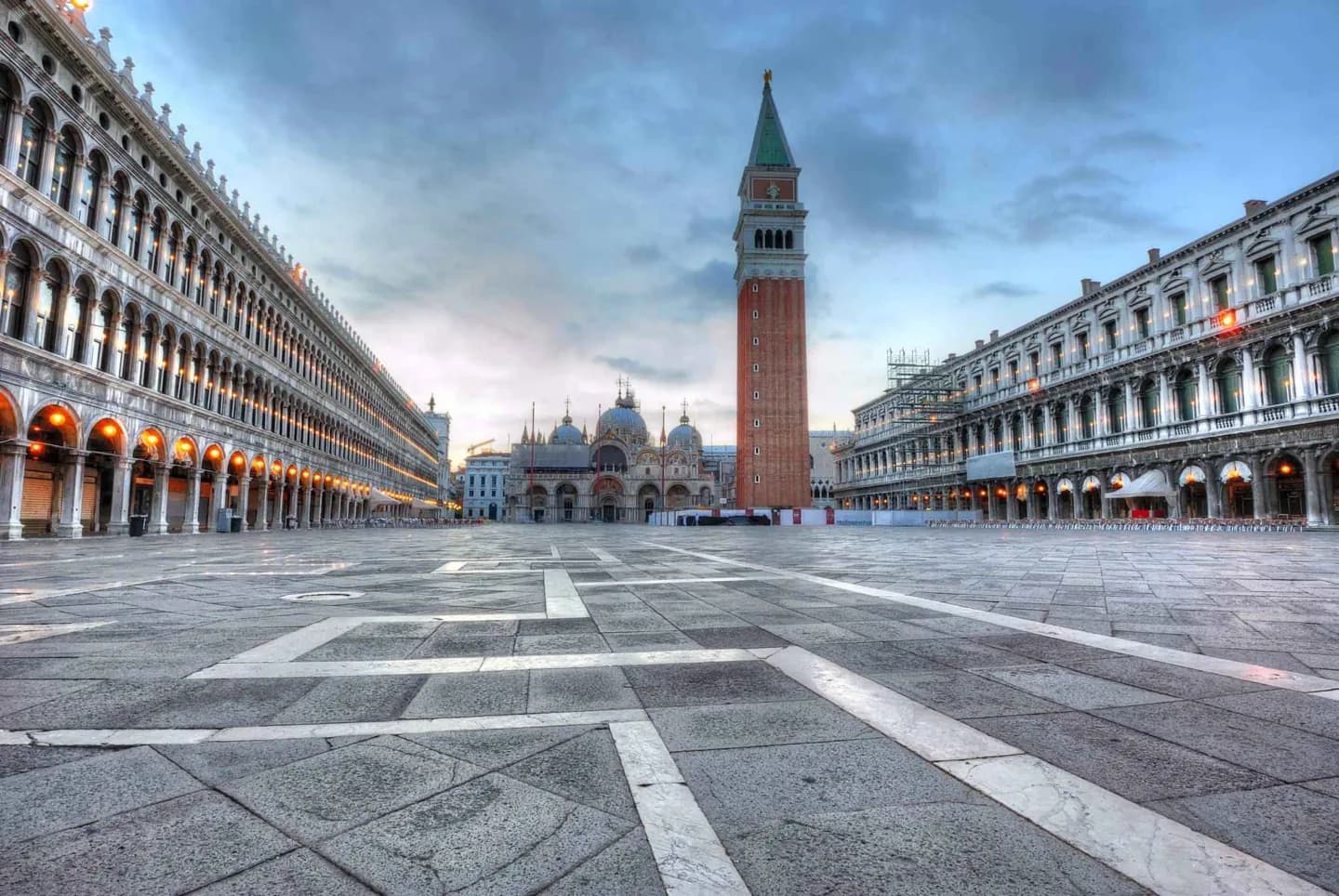
- Combine the Correr with an outdoor circuit of the Procuratie to connect its rooms with their setting.
Your next visit
Estimated · Declared scenario and planning estimates; no live opening, weather, queue or booking service.
Indoor visit · 60–120 min
World planning estimate; admission, opening, visit duration and access need checking.